Let's cut to the chase. There's no single "better" city. Asking if Munich or Frankfurt is better for tourists is like asking if cake is better than pie. It completely depends on your taste, your appetite, and what you're craving from your German vacation. I've spent months in both cities, and each left a completely different mark. Munich wraps you in lederhosen-clad tradition and alpine air, while Frankfurt throws you into a sleek, sky-scraping hub of global finance with surprising pockets of charm. This isn't about declaring a winner; it's about giving you the raw, detailed intel so you can crown the champion for your trip.
Your Quick Comparison Guide
The Vibe Check: First Impressions Matter
Walk out of Munich's Hauptbahnhof, and you're hit with a sense of ordered, wealthy grandeur. Wide streets, pristine buildings, and a palpable sense of Bavarian identity. People move with a confident, sometimes reserved, air. It feels like the capital of a proud, independent kingdom—which, historically, it was. The Alps are a faint, beautiful rumor on the horizon, promising outdoor adventures.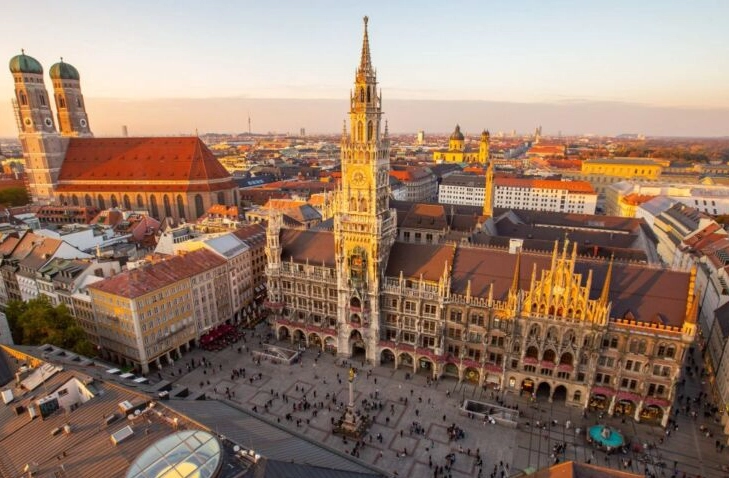
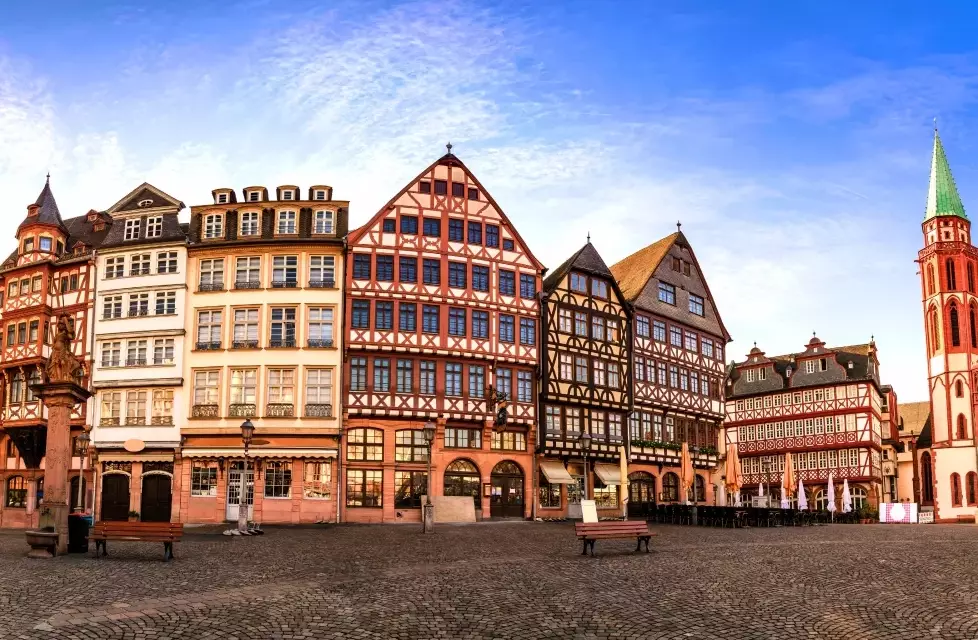
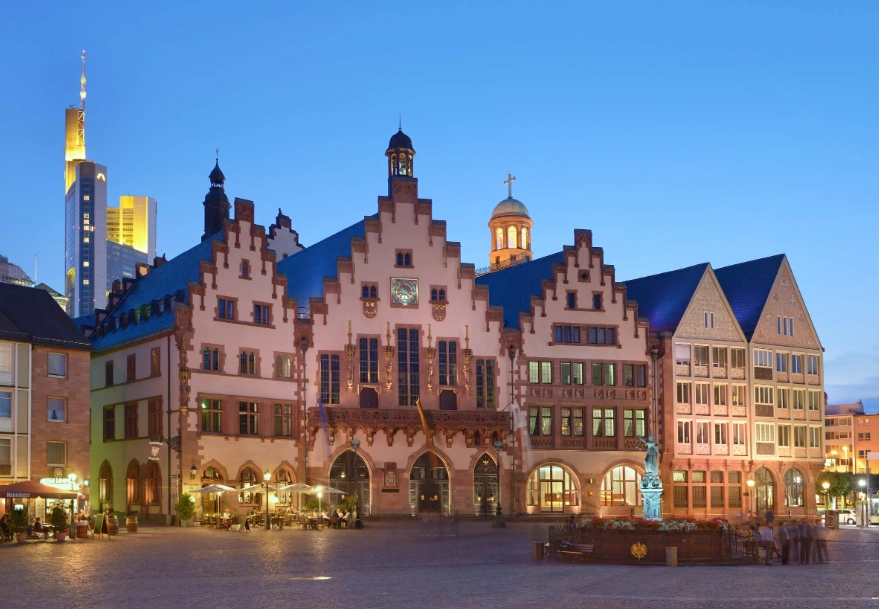
Frankfurt's main station spits you into a different world. It's grittier, faster, more international. You'll hear a dozen languages before you reach the taxi rank. The skyline, dominated by the banking district's glass towers, earns it the nickname "Mainhattan." But cross the river on the Eiserner Steg bridge, and you find the reconstructed Altstadt (Old Town) around Römerberg, a postcard-perfect square that feels like a separate, quieter universe. Frankfurt is a city of stark, fascinating contrasts.
Top Sights & Must-See Attractions
Here’s where the tourist trails diverge dramatically.
Munich's Hall of Fame
Munich is a heavyweight for blockbuster sights. You come here for the icons.
Marienplatz & the New Town Hall (Neues Rathaus): The undisputed heart. The Glockenspiel show at 11 am and 12 pm (plus 5 pm March-October) is touristy but charming. Free to watch from the square. The tower climb (€7.50) offers the best central views. Address: Marienplatz 8, 80331 München. Open daily.
English Garden (Englischer Garten): One of the world's largest urban parks. It's not just a park; it's a lifestyle. Locals surf the standing wave at the Eisbach, nude sunbathe in designated areas, and drink beer at the Chinese Tower beer garden. Entry is free, open 24/7. The Chinese Tower beer garden is a must for atmosphere.
Nymphenburg Palace: The sprawling summer residence of Bavarian rulers. The palace tour (€8 summer, €6 winter) is good, but the real magic is in the vast, free park and the smaller pavilions like the Amalienburg hunting lodge. Address: Schloß Nymphenburg 1, 80638 München. Park opens at 6 am, buildings from 9 or 10 am.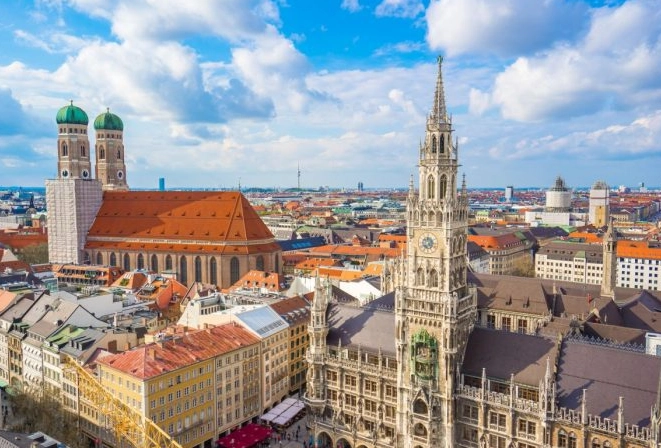
Deutsches Museum: A behemoth of science and technology on an island in the Isar River. You could spend two days here and not see everything. Perfect for a rainy day or curious minds. General ticket is €15. Address: Museumsinsel 1, 80538 München.
Frankfurt's Curated Collection
Frankfurt's attractions are more niche, more about specific interests and pleasant discoveries.
Römerberg & the Old Town (Altstadt): The reconstructed medieval square is the picturesque core. The Römer city hall and the half-timbered houses are immaculate. It feels almost too perfect, a loving recreation of what was lost in the war. Free to explore. The nearby Kaiserdom (Imperial Cathedral) tower climb (€4) gives a great overview.
Museumsufer (Museum Embankment): This is Frankfurt's cultural trump card. A unique concentration of museums lined up along the south bank of the Main River. The Städel Museum (Schaumainkai 63) is world-class for European art (€16). The German Film Museum and the Museum of Applied Arts are also superb. Consider the Museumsufer Ticket (€21) for two days of entry to most of them.
Main Tower Observation Deck: The only skyscraper with a public viewing platform. For €9, you get 360-degree views that make Frankfurt's dual identity crystal clear—forests and parks on one side, a canyon of finance on the other. Address: Neue Mainzer Straße 52-58. Open daily until 9 or 11 pm.
Palmengarten: A stunning botanical garden that feels like a world tour of climates. The tropical greenhouses are incredible, especially in colder weather. Entry is €7. Address: Siesmayerstraße 61, 60323 Frankfurt.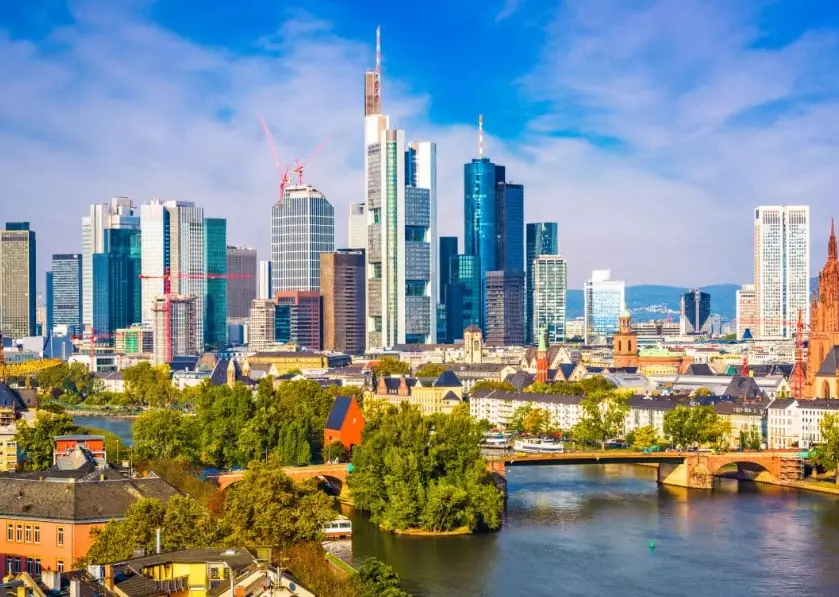
What is the food and drink scene like?
| Aspect | Munich | Frankfurt |
|---|---|---|
| Signature Dish | Schweinshaxe (pork knuckle), Weisswurst (veal sausage), Pretzels. | Grüne Soße (green herb sauce with eggs/potatoes), Handkäse mit Musik (sour milk cheese with onions), Frankfurter Würstchen. |
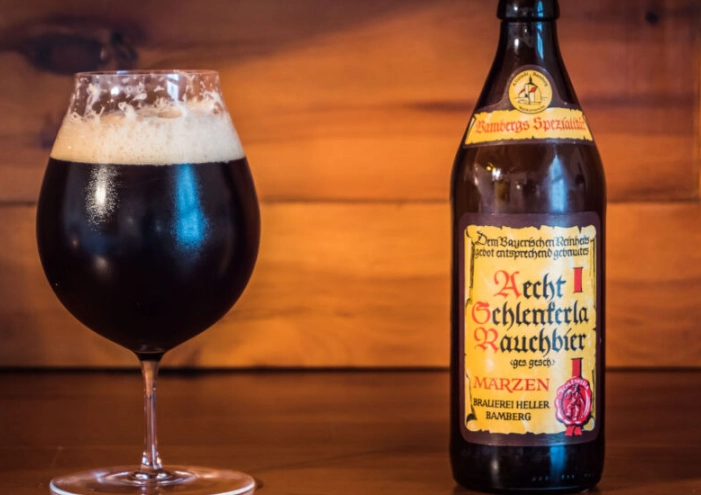
| Drink Culture | Beer is religion. Beer gardens are social institutions. Helles, Weissbier, and Märzen are staples. | Apfelwein (Ebbelwoi) is the local cider, served in a ribbed glass (Geripptes). Wine bars are big due to proximity to Rhine vineyards. |
| Atmosphere | Communal, traditional, often boisterous in beer halls. | More varied: cozy Apfelwein pubs in Sachsenhausen, sleek cocktail bars in the city center. |
| International Food | Good, but often takes a backseat to Bavarian fare. | Exceptional, reflecting its international population. Great Turkish, Korean, and global fine dining. |
| Can't-Miss Spot | Viktualienmarkt: A daily food market with stalls, small bites, and a central beer garden. Perfect for lunch. | Kleinmarkthalle: Frankfurt's covered market hall. Less touristy than Munich's, with amazing produce, stalls, and ready-to-eat food. |
My personal take? Munich's food scene is an immersive experience—you're there for the ritual, the massive portions, and the atmosphere. Frankfurt's is more about discovery and variety. I had one of the best Korean meals of my life in Frankfurt's Bahnhofsviertel district, an area that's rough around the edges but a culinary goldmine.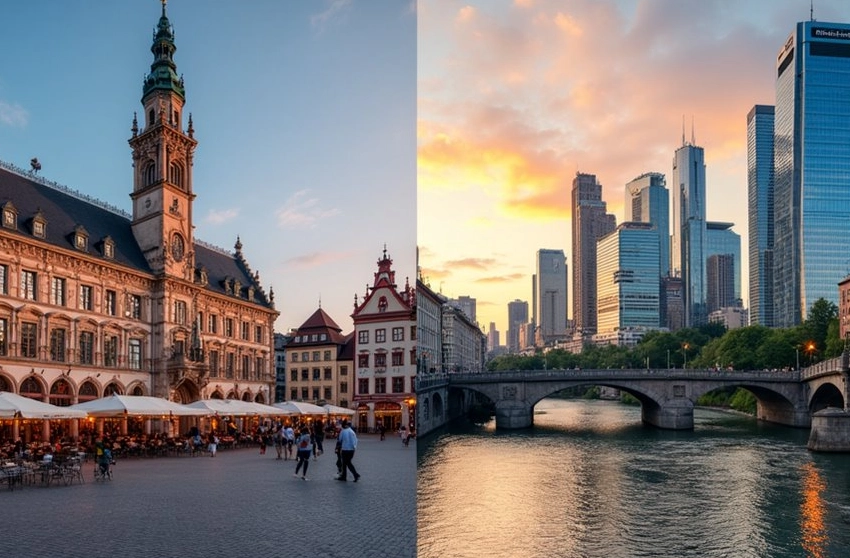
Practical Logistics: Budget, Transport & Stays
How is the public transportation?
Both cities have excellent, efficient systems.
Munich (MVV): The U-Bahn (subway) and S-Bahn (suburban train) network is extensive and clean. A single trip in the inner zone costs €3.70. The CityTourCard (€13.90 for 1 day, inner zone) covers transport and gives small discounts to sights. It's worth it if you're hopping around.
Frankfurt (RMV): The system is similarly good, with trams being particularly useful for the city center. A single short trip is €2.95. The Frankfurt Card (€11.50 for 1 day) offers unlimited travel and 50% off many museums—a fantastic deal if you're hitting the Museumsufer.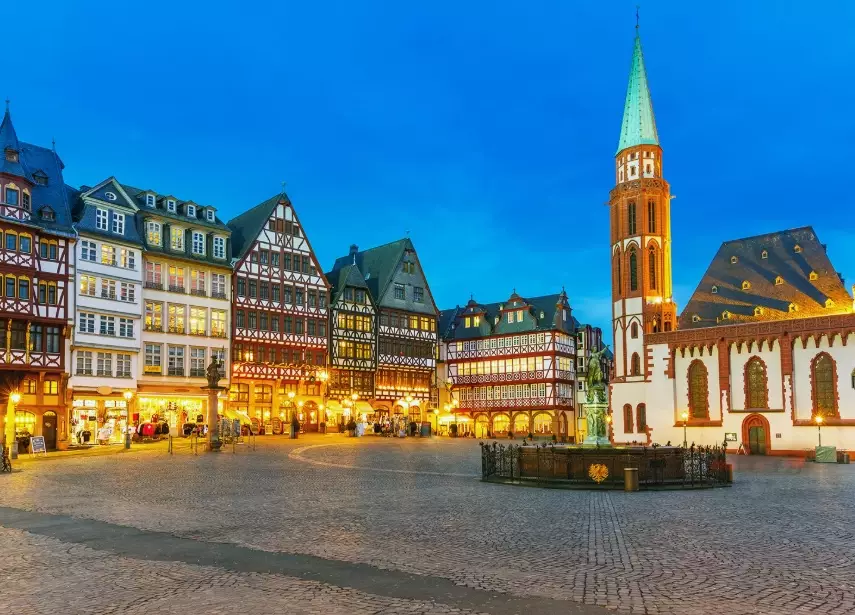
Budget & Accommodation
Let's be real: Munich is more expensive. A mid-range hotel in a decent central location will cost you 20-30% more than a comparable one in Frankfurt. During Oktoberfest (late Sept-early Oct), Munich prices triple and availability vanishes a year in advance.
Munich Hotel Insight: Look near Hauptbahnhof or along the U-Bahn lines like Sendlinger Tor or Goetheplatz. Avoid the immediate, seedy area directly south of the main station.
Frankfurt Hotel Insight: The city center around Hauptwache or Römer is convenient. For a more local feel, stay across the river in Sachsenhausen. The area directly around the main station has a high police presence due to drug issues—it's safe but unpleasant at night.
How to Decide Between Munich and Frankfurt
Stop looking for the "best" city. Start looking for the best city for you.
Choose Munich if: You dream of classic Bavarian postcard scenes—castles, beer halls, alpine vistas. Your trip is your first to Germany and you want the "sound of music" stereotype (minus the singing). You prioritize world-famous museums and palaces. You don't mind spending more for the experience. You plan to take scenic day trips into the Alps.
Choose Frankfurt if: You're a return visitor to Germany looking beyond the clichés. You're a museum buff who loves to dive deep into specialized collections. You're on a tighter budget. You value culinary diversity and international flair. You're using the city as a convenient hub to explore the Rhine Valley or other parts of western Germany. You appreciate modern architecture and urban energy.
Can't decide? Here's a radical idea: Fly into Frankfurt (a major European hub, often cheaper) and take the direct, high-speed ICE train (about 3.5 hours) to Munich, or vice-versa. Spending 2-3 nights in each gives you the perfect contrast.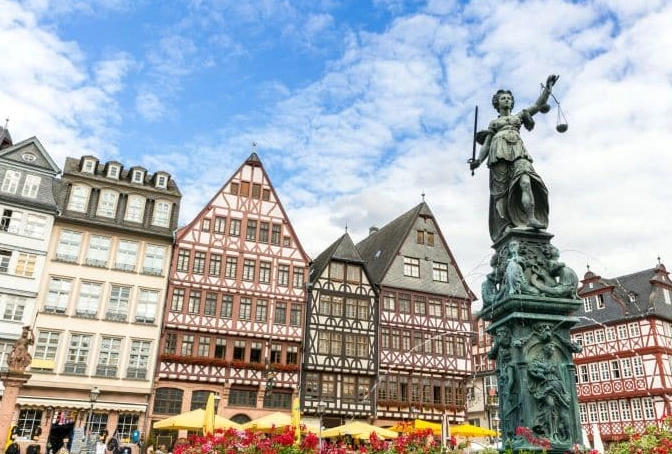
Your Burning Questions Answered
So, where will it be? The alpine-powered charm of Munich or the dynamic, contrasting energy of Frankfurt? Pack your bags for the one that matches your travel heartbeat. Or better yet, book the train ticket and get a taste of both.