So you're thinking about visiting Frankfurt. Your mind probably jumps to banks, business suits, and a skyline they call "Mainhattan." I get it. I thought the same thing before my first trip over a decade ago. But here's the secret most quick travel guides miss: Frankfurt is a city of fascinating contrasts. It's where medieval apple wine taverns sit in the shadow of glass towers, where you can find world-class museums along a riverbank, and where the concept of "Gemütlichkeit" (cozy comfort) thrives amidst global finance. This guide isn't just a list of sights; it's your key to understanding the real Frankfurt, packed with the practical details you need to plan a fantastic trip.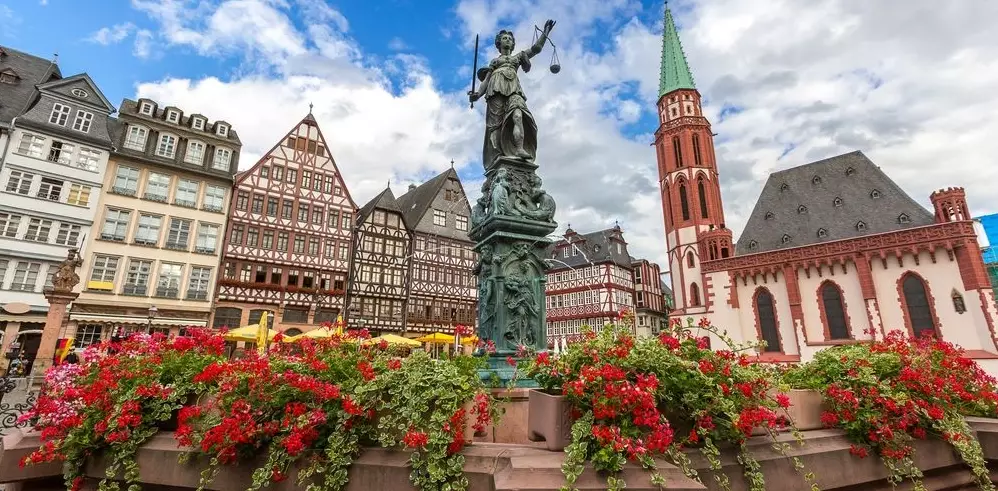
Your Frankfurt Trip at a Glance
First Impressions & Core Identity
Let's clear something up. Frankfurt am Main is not just a business hub. It's a historic trade fair city, a transportation nexus (its airport, Frankfurt Airport (FRA), is one of Europe's busiest), and surprisingly, one of Germany's most international and greenest cities. Nearly 30% of residents don't hold a German passport. The city was heavily bombed in WWII and rebuilt with a mix of meticulous restoration and bold modernity. This gives it a different feel from untouched medieval towns like Rothenburg. Some find this blend jarring; I find it honest and dynamic.
Top Things You Can't Miss in Frankfurt
Balancing iconic landmarks with local favorites.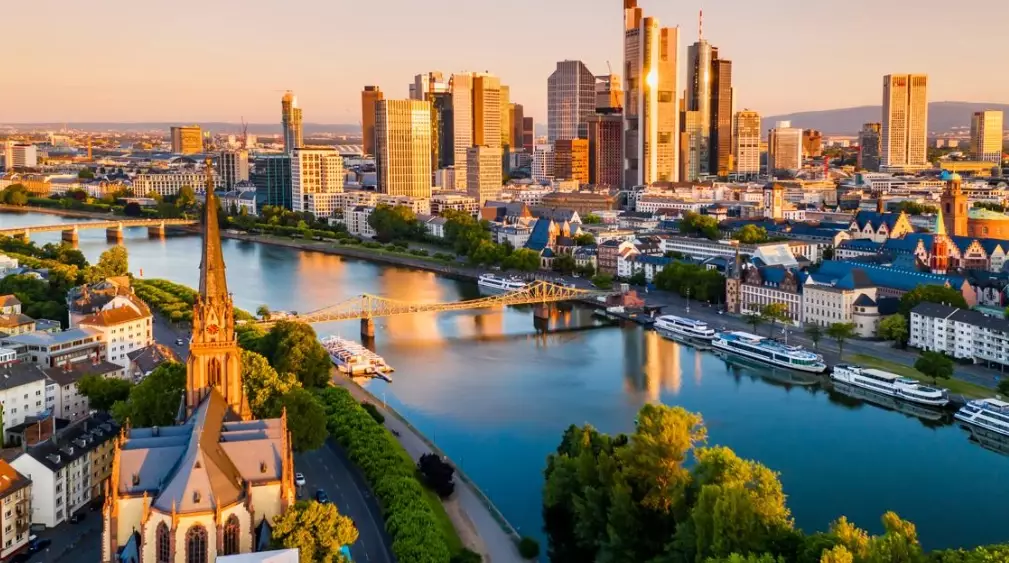
The Historic Heart: Römerberg
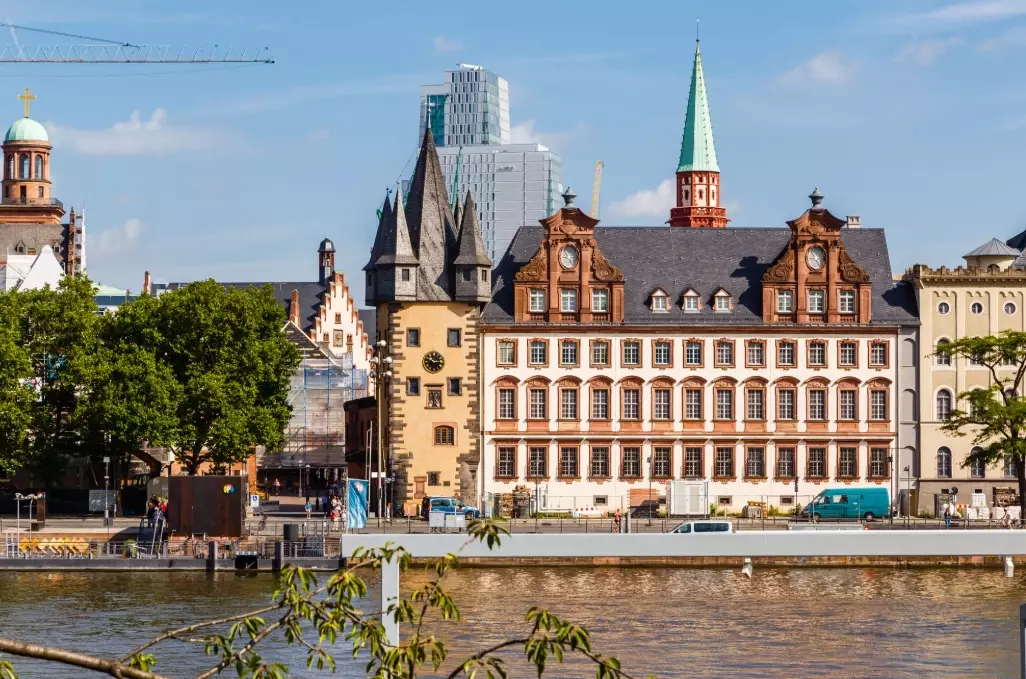
The reconstructed medieval square is the obligatory starting point. The Römer town hall complex, with its stepped gables, is picturesque. It's touristy, yes, but it's the symbolic center. The Fountain of Justice in the middle is a good meeting spot. My advice? Go early in the morning to enjoy it without the crowds. The Christmas market here is legendary, but for a quieter experience, visit the Historical Museum Frankfurt (Saalhof 1, 60311 Frankfurt) right next door. It gives crucial context to the city's destruction and rebirth. Entry is €8 for adults, and it's open Tuesday to Sunday from 10 am to 6 pm.
Skyline Views: Main Tower vs. Cathedral
You have two main options for a view. The Main Tower (Neue Mainzer Str. 52-58) is the only skyscraper with a public viewing platform. It costs €9, is open daily (check website for hours), and offers the classic panoramic photo of the banking district. The alternative, which I often prefer, is climbing the Frankfurt Cathedral (Kaiserdom). For €4, you get a more intimate, historical perspective looking out over the red rooftops towards the modern towers. The 328-step climb is a workout, but it feels more authentic.
Museum Embankment (Museumsufer)
This is where Frankfurt shines for culture lovers. A unique cluster of over a dozen museums line the south bank of the Main River. You could spend days here. The top three for most visitors are:
- Städel Museum: World-class European art from the Middle Ages to today. A must for art enthusiasts. (Schaumainkai 63, Tickets ~€16).
- German Film Museum (Deutsches Filmmuseum): Interactive and fascinating look at movie history. Great for families. (Schaumainkai 41, Tickets €10).
- Senckenberg Natural History Museum: One of Europe's largest natural history museums, famous for its dinosaur skeletons. (Senckenberganlage 25, Tickets €12).
Consider the Museumsufer Ticket (€21) for two consecutive days of entry to most of them. It's a steal if you plan to visit more than two.
The Frankfurt Food & Drink Survival Guide
Forget generic German beer halls here. Frankfurt has its own distinct culinary scene.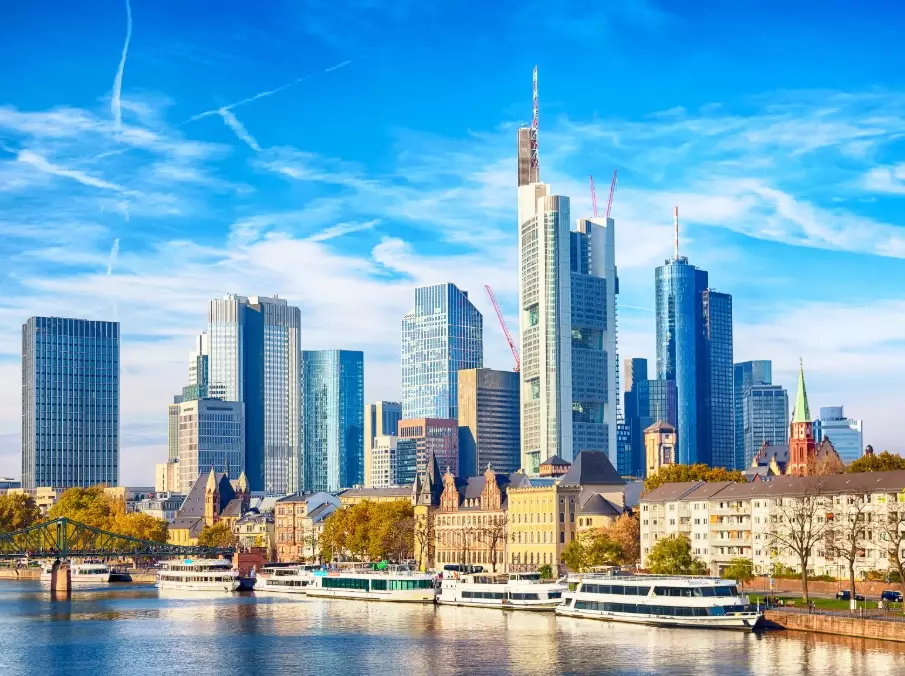
The Holy Trinity of Frankfurt Food:
- Grüne Soße (Green Sauce): A cold herb sauce made with seven specific herbs (parsley, chives, etc.), served with boiled potatoes and eggs or schnitzel. It's a local obsession from April to October. Try the original version at Zum Gemalten Haus (Schweizer Str. 67) in Sachsenhausen.
- Apfelwein (Ebbelwoi): Tart, sparkling apple wine. It's served in a traditional ribbed glass called a "Geripptes" from a blue-grey stoneware jug (Bembel). You drink it slightly fizzy and often mixed with sparkling water (a "Sauer Gespritzter"). Go to a classic pub like Apfelwein Wagner (Schweizer Str. 71) for the full experience.
- Frankfurter Würstchen: Yes, the hot dog's namesake. These are thin, smoked pork sausages, usually served two or three at a time with bread, mustard, and potato salad. Best enjoyed at the Kleinmarkthalle indoor market (Hasengasse 7-9), a foodie paradise.
| Restaurant / Pub | Specialty / Vibe | Address & Notes |
|---|---|---|
| Zum Gemalten Haus | Authentic Grüne Soße, traditional Apfelwein pub | Schweizer Str. 67, Sachsenhausen. No reservations, go early. Mains €12-18. |
| Kleinmarkthalle | Indoor food market, perfect for lunch | Hasengasse 7-9, City Center. Open Mon-Sat till 8pm (Sat till 4pm). Grab a sausage or international bites. |
| Emma Metzler | Modern German fine-dining | Schauinsland 1 (in the Museum für Angewandte Kunst). Stylish, seasonal. Prix-fixe menus from €65. |
| Fichtekränzi | Lively, rustic Apfelwein pub with garden | Wallstraße 5, Sachsenhausen. Great outdoor seating, hearty portions. Very local crowd. |
Cultural Insights & Local Life
To move past the tourist surface, understand these points.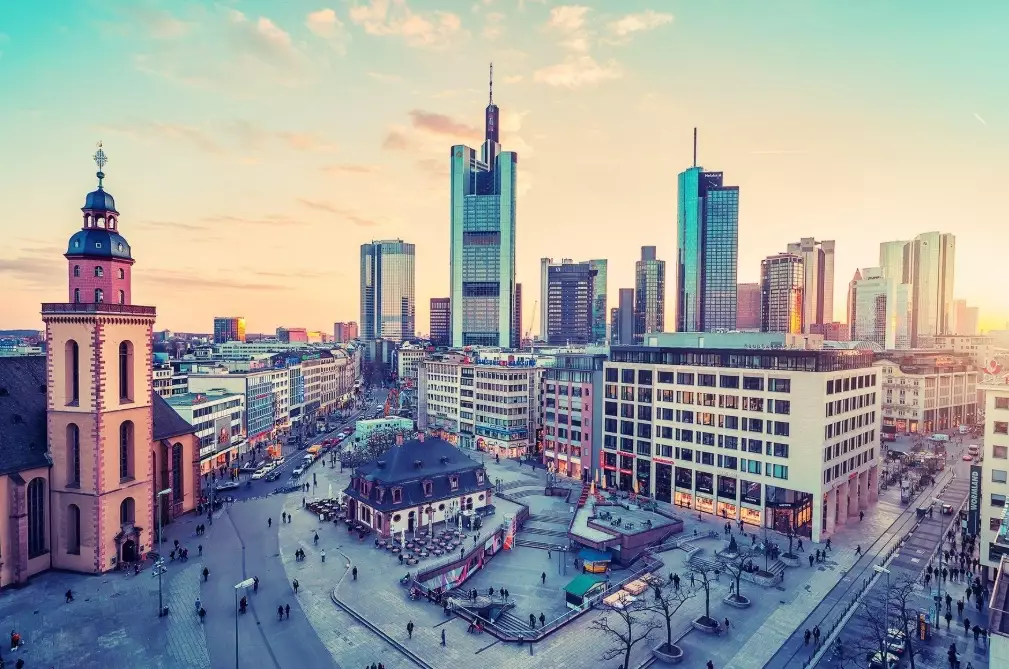
Language: English is widely spoken, especially in business and tourism. However, learning a few basic German phrases (Guten Tag, Danke, Ein Apfelwein bitte) is appreciated and opens doors.
Pace: Frankfurt is efficient and direct, both in its infrastructure and sometimes in personal interaction. Don't mistake this for rudeness; it's a cultural norm in this part of Germany.
Green Spaces: The city is ringed by the Frankfurt City Forest (Stadtwald), one of the largest municipal forests in Germany. The Palmengarten botanical garden is a stunning escape. Locals love cycling or jogging along the Main River banks—join them for a true slice of local life.
Getting Around: A Simple Transportation Guide
Frankfurt is incredibly easy to navigate.
- From the Airport (FRA): The S-Bahn (commuter train) lines S8 and S9 go directly to the Frankfurt Hauptbahnhof (Main Station) and the city center (Hauptwache or Konstablerwache stations) in about 15 minutes. A one-way ticket is €5.35. Taxis cost €35-€50.
- Public Transport (RMV): Trams, U-Bahn (subway), and S-Bahn cover everything. The city center is mostly walkable, but you'll need it for museums or Sachsenhausen. A day ticket for the inner city zone (Zone 50) costs €6.35 and is your best bet. Buy from machines at stations (switch to English).
- Walking & Cycling: The flat city center is perfect for walking. The riverbanks are ideal for cycling. Use the Nextbike or Deutsche Bahn Call a Bike app for rentals.
Where to Stay: Area Breakdown
Your choice depends on your trip's purpose.
| Area | Best For | Vibe & Notes | Hotel Example (Approx. Price) |
|---|---|---|---|
| Innenstadt (City Center) | First-time visitors, shoppers, short stays | Central to major sights (Römer, Zeil shopping street). Can be noisy and lacks local charm at night. | Steigenberger Frankfurter Hof (Luxury, €250+) Motel One Römer (Budget-friendly, €100-€150) |
| Sachsenhausen | Foodies, nightlife, authentic atmosphere | Cobbled streets, traditional pubs, closer to Museum Embankment. Quieter than the main banking district. | Ruby Louise Hotel (Design, €120-€180) Hotel am Berg (Mid-range, €90-€130) |
| Bahnhofsviertel (near Main Station) | Budget travelers, late arrivals | Extremely central for trains. The area has a gritty, red-light district edge. Be street-smart at night. | 25hours Hotel The Trip (Hip, €110-€160) Ibis Frankfurt Centrum (Budget, €70-€100) |
| Westend/Nordend | Quiet, residential, local feel | Beautiful old villas, cafes, parks. A short tram ride to the center. Feels more like "living" in Frankfurt. | Villa Orange (Boutique, €140-€200) |
Sample Itinerary Ideas
One Day in Frankfurt (The Highlights): Morning at Römerberg and climb the Cathedral. Lunch at Kleinmarkthalle. Afternoon at the Städel Museum or a river cruise. Evening in Sachsenhausen for Apfelwein and dinner at a traditional pub.
Two to Three Days (Deeper Dive): Day 1: Historic center & shopping on Zeil. Day 2: Museum Embankment (pick two museums) and relax in the Palmengarten. Day 3: Explore the residential Nordend district, visit the Hauptfriedhof (historic cemetery), or take a half-day trip to nearby Mainz or Heidelberg.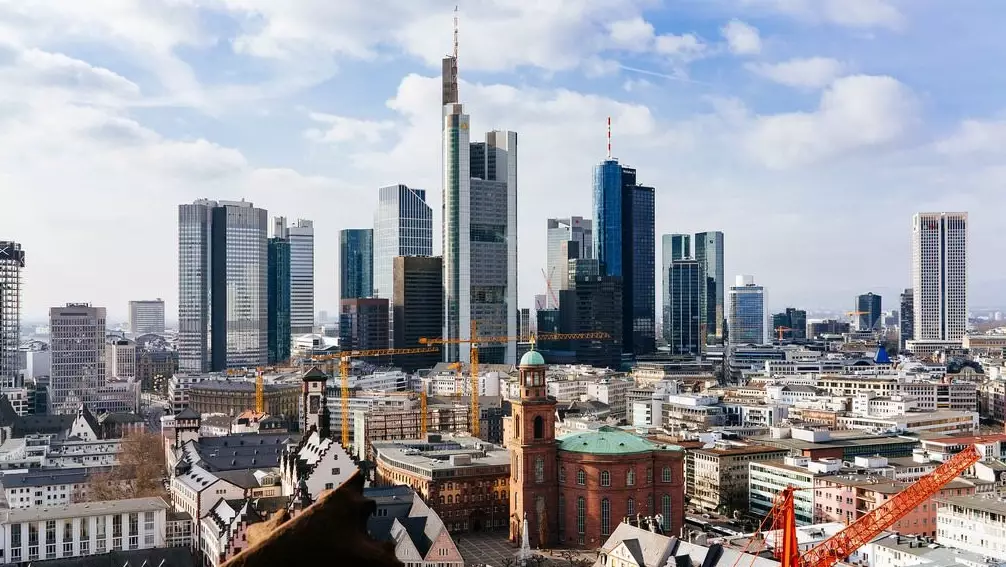
Your Frankfurt Questions Answered
Is a weekend in Frankfurt enough time?
A weekend (2-3 days) is perfect to get a solid feel for the city. You can comfortably cover the historic center, one museum district, and the Sachsenhausen dining scene. It's an ideal length for a European city break. If you want to explore multiple museums in depth or use it as a base for Rhine Valley day trips, add an extra day or two.
What's the biggest mistake tourists make with Frankfurt food?
Sticking only to generic German fare like pork knuckle. Frankfurt's culinary identity is distinct. The bigger mistake is not trying Apfelwein the local way. Don't sip it like wine; it's a social, communal drink. In a proper pub, you order a "Bembel" (jug) for the table. And never, ever put your glass on the coaster if you want more—that's the signal you're finished.
 Is Frankfurt safe for tourists?
The city center and major tourist areas are very safe, even at night. The area immediately around the Hauptbahnhof (main train station) has a visible drug and red-light scene. It's not inherently dangerous during the day, but be aware of your surroundings, don't engage with touts, and consider taking a tram one stop if you're arriving late at night with luggage. Use the same common sense you would in any major city.
Can I use credit cards everywhere, or do I need cash?
Germany is still more cash-oriented than many countries. While hotels, department stores, and most sit-down restaurants accept cards, many smaller businesses, market stalls, and especially traditional Apfelwein pubs are cash-only. My rule of thumb: always have €50-€100 in euros on you. You'll avoid awkward moments at the bakery or after a pub meal.
What's a good day trip from Frankfurt?
The Rhine Valley is the classic choice. Take a 75-minute train to Rüdesheim, then a scenic river cruise past castles to St. Goar, and train back. For history, Heidelberg (1 hour by train) offers a stunning castle and old town. For a less touristy wine town, try Eltville on the Rhine (30 mins by S-Bahn), full of half-timbered houses and vineyards you can walk through.