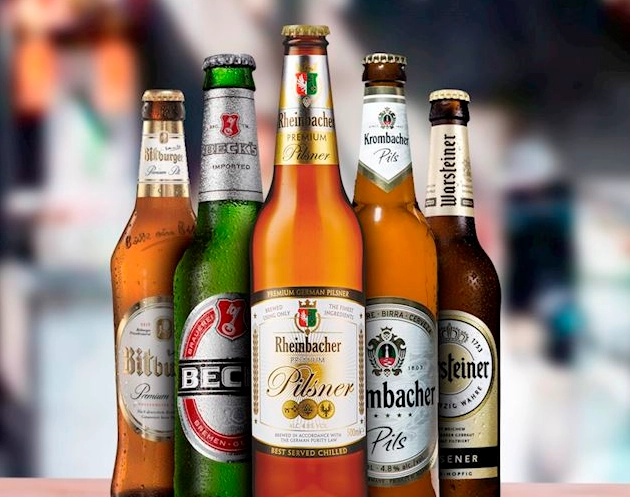
If you typed "What is the main German beer?" expecting a simple answer like "Budweiser is to America," you're in for a delightful surprise. Germany doesn't have one national beer. It has a universe of them, governed by a 500-year-old purity law and regional pride that makes every sip a lesson in geography and history. The real answer lies in understanding the dominant styles, not brands. The beer you'll find in every corner kiosk in Berlin is different from the one served in every Munich beer garden. Let's cut through the marketing and get to what you'll actually taste.
Your Quick Beer Guide
- Understanding German Beer: It's About Styles, Not a Single Brand
- The Big Four: Germany's Most Popular Beer Styles
- Where to Drink Like a Local: Berlin & Munich Picks
- Beyond the Basics: Regional Gems You Need to Try
- Your German Beer Buying Guide: Supermarket to Speciality Shop
- Your German Beer Questions, Answered
Understanding German Beer: It's About Styles, Not a Single Brand
First, forget the idea of a monolithic "German beer." The country's brewing identity is decentralized, rooted in its federal states and cities. The unifying force is the Reinheitsgebot (Beer Purity Law), originally decreed in 1516 in Bavaria. In its modern interpretation, it mandates that beer can only be made from water, barley, hops, and yeast (the latter was added after its discovery). This isn't about limiting creativity—though some craft brewers chafe at it—it's about guaranteeing quality and tradition.
Your location dictates your beer. Head to Cologne, you drink Kölsch. In Düsseldorf, it's Altbier. In Bavaria, you're in wheat beer and lager territory. Asking for a "Pils" in a traditional Cologne brewery might get you a polite but firm correction.
A Common Tourist Mistake: Ordering "ein Bier" (a beer) without specifying. In most proper bars, you'll be met with a patient but expectant look. They need to know what kind of beer. It's like walking into a cafe and just saying "coffee." Are you starting to see why there's no single answer?
The Big Four: Germany's Most Popular Beer Styles
If we measure by sheer volume and nationwide availability, these four styles are the pillars. Think of this as your essential flavor map.
| Style | Core Character | Where It's King | Classic Brand Examples | Perfect For... |
|---|---|---|---|---|
| German Pilsner (Pils) | Crisp, bitter, pale gold, highly carbonated. A hoppy, refreshing bite. | Nationwide, but Northern Germany is its heartland. | Bitburger, Warsteiner, Krombacher, Jever (extra bitter). | A hot day, cutting through rich food, when you want a clean, sharp beer. |
| Hefeweizen (Wheat Beer) | Cloudy, yeasty, flavors of banana, clove, and bubblegum. Unfiltered and effervescent. | Bavaria (especially Munich). | Paulaner, Weihenstephaner, Erdinger, Schneider Weisse. | Sunny beer gardens, brunch, those who find Pils too bitter. |
| Export / Helles | Malty, smooth, golden, and balanced. Less bitter than a Pils, more body than a standard lager. | Bavaria and Western Germany. | Augustiner Helles (Munich icon), Dortmunder Union Export, Hofbräu Original. | Session drinking—easy to have several. The ultimate crowd-pleaser. |
| Kölsch & Altbier | Kölsch: Pale, crisp, delicate (Cologne). Alt: Amber, malty, subtly hoppy (Düsseldorf). | Strictly regional: Cologne & Düsseldorf. | Früh, Gaffel, Reissdorf (Kölsch); Diebels, Uerige, Schlüssel (Alt). | Immersive city experiences. They taste best in their home cities, served in unique glasses. |
Notice something? The ubiquitous, mass-market beers like Beck's or St. Pauli Girl (often marketed heavily abroad) are Export-style lagers. They're popular, but for many Germans, they're the equivalent of a reliable supermarket loaf—not the artisanal bakery experience.
Diving Deeper: A Tale of Two Lagers
Let's get specific, because this is where people get confused. Pilsner and Helles both pour gold, but they're different beasts.
I remember sitting in Munich's Augustiner Keller, ordering a Helles. It was soft, slightly sweet with malt, incredibly smooth. The next day in Berlin, a Pils from a local Späti (convenience store) was all crisp snap and herbal hop bitterness. Both were fantastic, both were "German beer," but they fulfilled completely different cravings. The Pils is a conversation; the Helles is a comforting hum.
Where to Drink Like a Local: Berlin & Munich Picks
The setting is half the experience. Here are two concrete, actionable recommendations for each city.
Beyond the Basics: Regional Gems You Need to Try
Once you know the big four, explore. These styles have cult followings for a reason.
Rauchbier (Smoked Beer): From Bamberg. Tastes like a campfire in a glass—in the best way possible. Schlenkerla is the legendary brewery. Try it with smoked cheese. It's polarizing but unforgettable.
Bock & Doppelbock: Strong, malty, and warming. Traditionally brewed for winter and spring. Weihenstephaner Korbinian (Doppelbock) is a masterclass in rich, toasty, dried-fruit flavors without being cloying.
Berliner Weisse: The sour, tart, low-alcohol wheat beer from Berlin. Often served mit Schuss—with a shot of woodruff (green) or raspberry (red) syrup. Refreshing on a summer day, but an acquired taste for many.
Your German Beer Buying Guide: Supermarket to Speciality Shop
You're in a German supermarket. The beer aisle is overwhelming. What do you grab?
For a Reliable Taste Test: Buy single bottles of the "Big Four" from different brands. Most supermarkets like Rewe or Edeka have mix-and-match sections. Get a Bitburger (Pils), an Augustiner Helles (if available in the north), a Paulaner Hefeweizen, and a Früh Kölsch. Taste them side-by-side. The differences will become crystal clear.
For the Best Quality: Skip the plastic crates. Look for bottles with "ungespundet" or "naturtrüb" on the label. "Ungespundet" means naturally carbonated in the barrel, often indicating a more traditional, less processed beer (common with Kellerbiers). "Naturtrüb" means naturally cloudy, usually for wheat beers.
Visit a Getränkemarkt: Stores like Getränke Hoffmann or large Kaufhof department store beverage sections have astonishing selections. This is where you find regional Bocks, Rauchbiers, and craft beers pushing the boundaries of the Reinheitsgebot.