You're planning a trip to Munich's Oktoberfest, or maybe you just want to taste a piece of the festival at home. The first question that pops up is: which beers are actually served at Oktoberfest? It's not just any German lager. There's a strict rule—only six Munich-based breweries are permitted to serve their beer within the festival grounds. These are the official Oktoberfest beer brands, and knowing them is the difference between an authentic experience and a generic one. This guide goes beyond a simple list. We'll dive into the character of each brewery's signature "Festbier," tell you which massive tents they're served in, and share some hard-earned tips you won't find on most tourist brochures.
Your Quick Guide to Oktoberfest Beers
The "Big Six" Official Oktoberfest Breweries
Let's meet the exclusive club. These six breweries have deep roots in Munich, some dating back centuries. Their beers for the festival are specially brewed, stronger versions of a golden lager called "Märzen" or more commonly now, "Festbier." Here’s the breakdown you need to make an informed choice at the counter.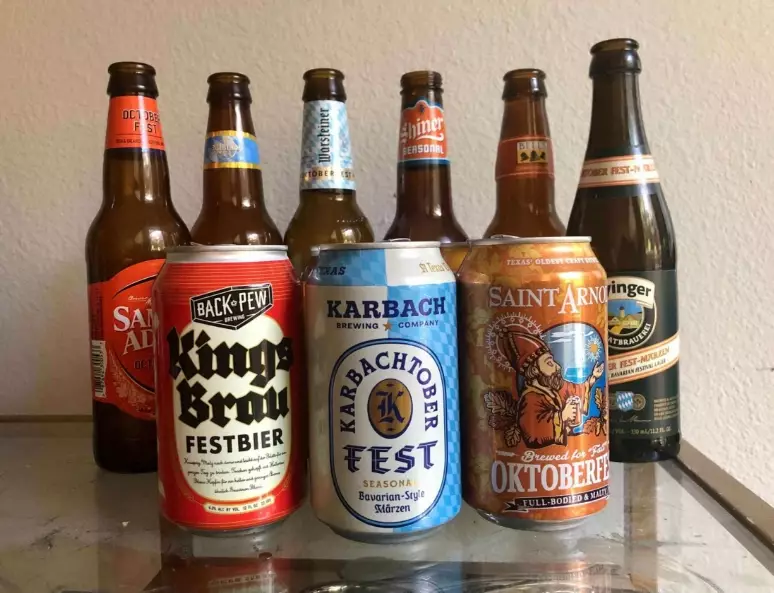
| Brewery (Founded) | Signature Oktoberfest Beer | Key Tents at Theresienwiese | Notable Flavor Profile |
|---|---|---|---|
| Augustiner-Bräu (1328) | Augustiner Oktoberfest Bier | Augustiner-Festhalle, Fischer-Vroni | Often cited as the crowd favorite for its smooth, malty, and exceptionally drinkable character. It's still served from traditional wooden barrels in its main tent. |
| Spaten-Franziskaner-Bräu (1397) | Spaten Oktoberfestbier | Ochsenbraterei, Schützen-Festzelt | Pioneered the modern golden Märzen. Expect a balanced, slightly sweet maltiness with a clean, crisp finish. |
| Paulaner (1634) | Paulaner Oktoberfest Bier | Paulaner Festzelt, Armbrustschützenzelt | Full-bodied and rich, with a pronounced bready, toasty malt flavor and a subtle hop bitterness. Their tent is one of the largest and most iconic. |
| Hacker-Pschorr (1417) | Hacker-Pschorr Oktoberfest Märzen | Hacker-Festzelt, Pschorr-Bräu-Festzelt | Known for a brilliant golden color and a refreshing, elegant taste. It's less heavy on the palate than some others, with a nice balance of malt and hops. |
| Hofbräu (1589) | Hofbräu Oktoberfestbier | Hofbräu-Festzelt | The international party tent beer. It's robust, slightly bitter, and has a distinct hoppy note compared to its peers. The tent is famously rowdy and tourist-friendly. |
| Löwenbräu (1383) | Löwenbräu Oktoberfestbier | Löwenbräu-Festzelt | Features a lion on the label and a bold, malty flavor in the glass. It has a stronger, slightly spicy hop presence and a dry finish. |
Walking into the Augustiner tent feels different. The air smells of wood and fresh beer, not just steel. That's because they stick to the old way—wooden barrels. It doesn't make the beer taste wildly different in a blind test, but the ceremony, the sound of the mallet tapping the spigot, it adds to the experience. Paulaner and Hacker-Pschorr are owned by the same parent company now, but their festival beers maintain distinct recipes. Don't assume they're the same.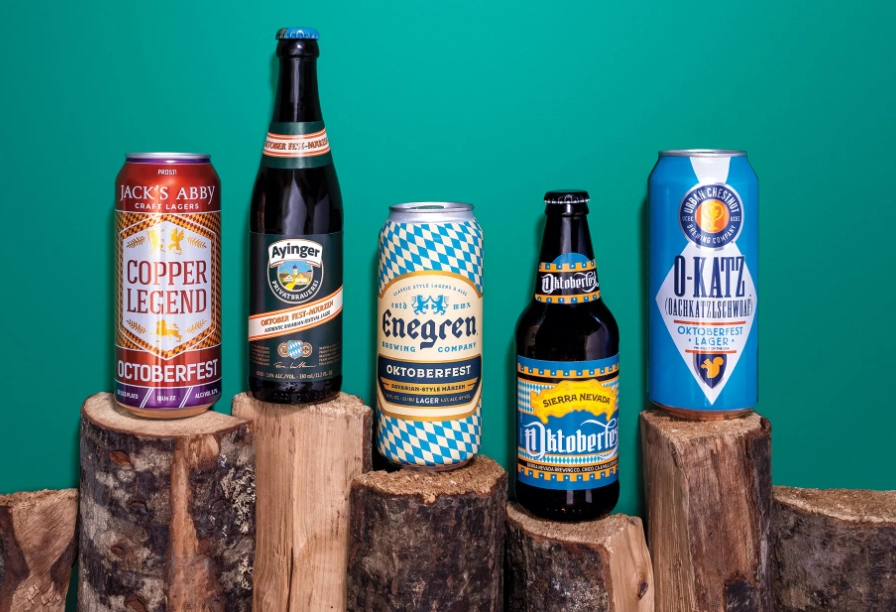
How to Choose Your Oktoberfest Beer
Faced with six options, how do you pick? Don't just go to the nearest tent. Think about what you like.
If You Prefer Smooth & Malty
Head straight for Augustiner or Spaten. These are the classics, less aggressive on the hops, letting the quality of the Munich malt shine. Augustiner, for me, is the quintessential session beer of the festival. You can enjoy a few without your palate feeling overwhelmed.
If You Like a Fuller, Richer Body
Paulaner and Löwenbräu deliver here. They have more of that toasty, bread-crust flavor. Paulaner's version is like liquid pretzel in the best way possible. It's hearty.
If You Want Crisp & Balanced
Hacker-Pschorr is your best bet. It's often described as elegant and drinkable. It's a safe and excellent choice for anyone who finds traditional Märzen a bit too sweet.
If You Enjoy a Noticeable Hop Bitterness
Hofbräu stands out. It has a sharper, more pronounced hop profile that cuts through the malt sweetness. This is the one I recommend to IPA drinkers who are skeptical of German lagers.
A common mistake first-timers make? They judge the beer by the first sip after a long, hot walk. All these beers are best appreciated after they've settled in your glass for a minute and your own thirst is quenched. The second Maß always tastes better than the first.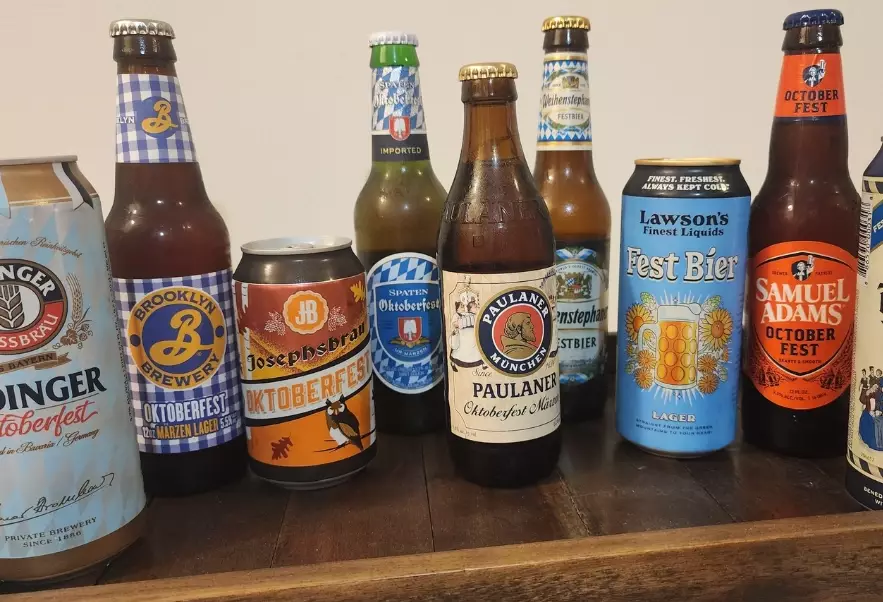
What Exactly is an Oktoberfest Beer Style?
Here's where confusion sets in, even among beer enthusiasts. The beer served at the Munich Oktoberfest is technically a Festbier or Wiesnbier. It's a golden, strong lager (typically 5.8% to 6.3% ABV) with a focus on smooth, bready maltiness and a clean finish. It's not the amber-copper Oktoberfest/Märzen you often see on American shelves in fall.
The Amber vs. Golden Confusion: Historically, Märzen was an amber lager, brewed in March (März) and lagered through the summer for consumption in autumn. In the 1970s, Spaten introduced a paler, golden version that was a hit. This golden Festbier gradually became the standard served at the Munich festival itself. However, many breweries, especially outside Germany, still market the amber version as "Oktoberfest." So, in Munich, you're drinking golden Festbier. In your local bottle shop, you might find either.
All official Oktoberfest beers adhere to the Reinheitsgebot (German Beer Purity Law), meaning they are brewed with only four ingredients: water, barley malt, hops, and yeast. This isn't just marketing; it forces a focus on ingredient quality and brewing skill that you can genuinely taste.
Finding Oktoberfest Beers Beyond Munich
You don't need a plane ticket to taste these. Most of the "Big Six" export their Oktoberfest seasonal releases worldwide every August-September.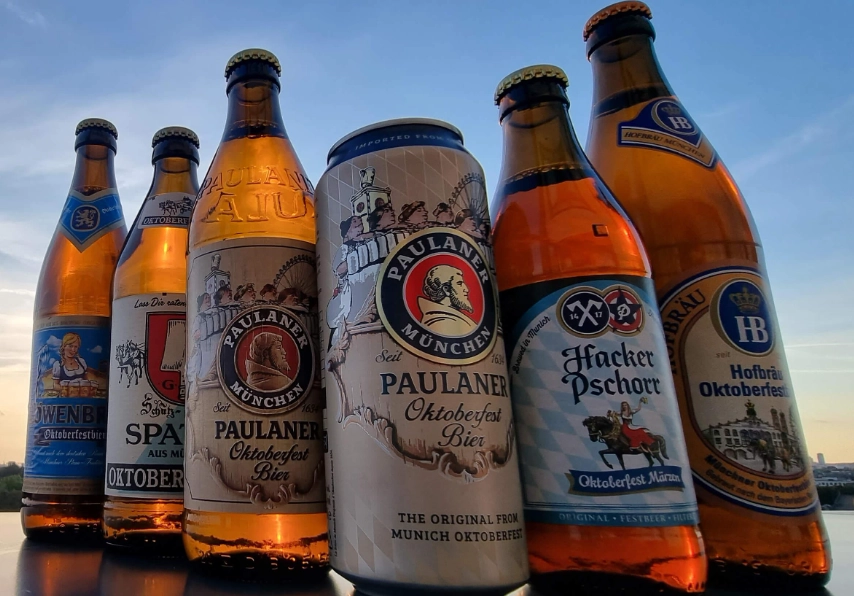
Where to look: Well-stocked liquor stores, specialty beer shops, and online retailers. The export versions are often the amber Märzen, not the golden Festbier served at the festival. Check the label and description. Paulaner and Hacker-Pschorr, for example, often export both a golden "Oktoberfest Bier" (Festbier) and an amber "Oktoberfest Märzen."
Local Oktoberfest events in your city will often import kegs directly from one of these breweries. That's your best chance to taste the real deal on draft outside of Munich. Call the event organizers and ask which brewery they've partnered with.
Insider Tips & Common Mistakes
After a decade of visits and conversations with brewers, here are things most guides won't tell you.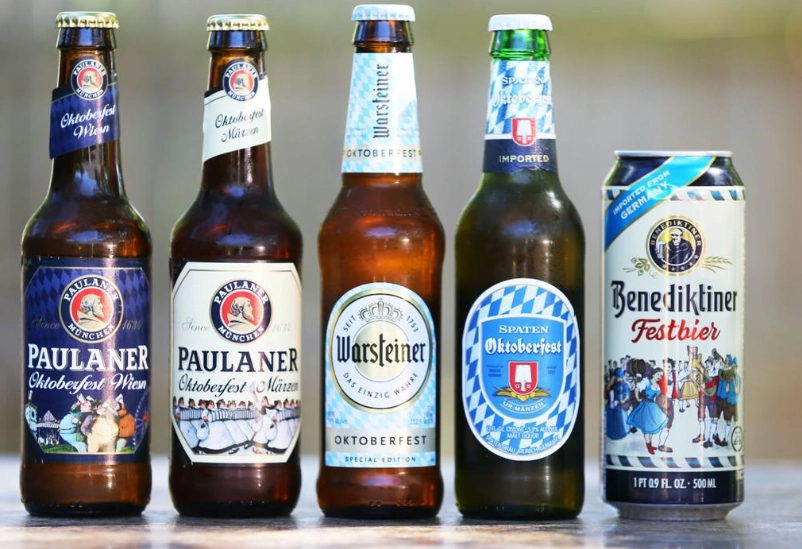
The water matters. Munich's water is hard, rich in minerals like calcium and sulfate. This directly impacts the mash chemistry and contributes to the full-bodied, malty character that defines these beers. A brewery claiming to make an "Oktoberfest-style" beer in a region with soft water is starting from a different baseline.
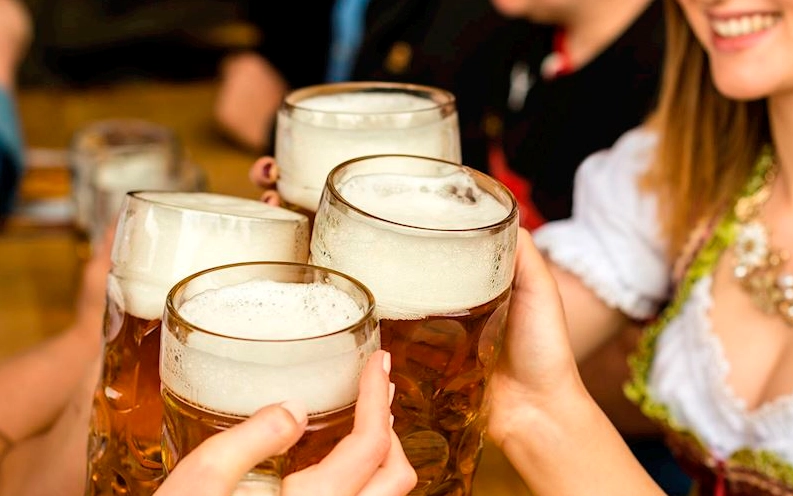
Don't fear the Maß. The one-liter mug seems intimidating. But it's designed to keep the beer cooler longer than a smaller glass. Also, the thick glass and handle make it easier to hold steadily in a crowded tent. Just know your limit.
Price is standardized (mostly). In 2023, a Maß (liter) cost between €12.60 and €13.80, depending on the tent. A significant portion of that is a deposit for the mug itself. If the price seems wildly different, you might be in a peripheral stall, not one of the main brewery tents.
The biggest mistake? Chasing all six in one day. You won't remember the nuances, and you'll have a terrible next morning. Pick two or three that align with your taste preferences and savor them. Spend time in those tents, enjoy the music, and soak in the atmosphere. The beer is a central part of the experience, not a checklist.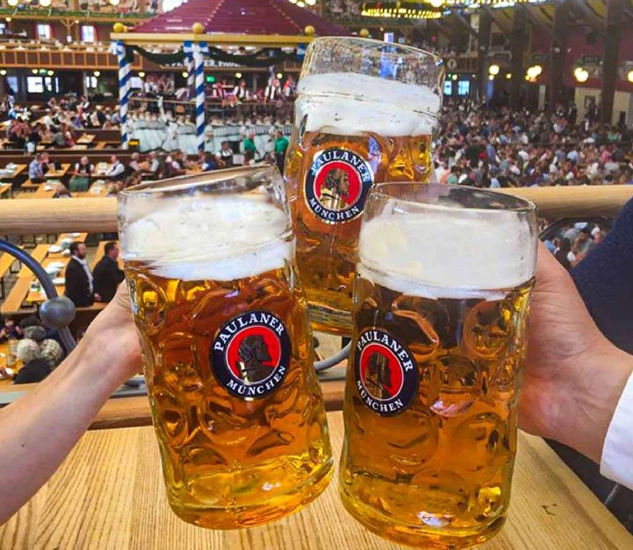
Your Oktoberfest Beer Questions Answered
Can I find the exact same Oktoberfest beer sold in Munich at my local store?
Probably not the identical batch. The festival beer is a specific, often slightly stronger, brew made for the event. Export versions are brewed to be more stable for travel and may have slight recipe adjustments for different markets. The core flavor profile from a reputable brand will be very close, though. For the closest match, look for bottles or cans labeled "Oktoberfest Bier" or "Wiesnbier" from the big six, not their year-round Helles lager.
Why are no craft breweries allowed to serve at the Munich Oktoberfest?
Tradition and logistics play a huge role. The rights are tied to historical Munich breweries and their massive capital investment in the permanent tent structures. The festival is a controlled ecosystem. Allowing outside breweries would complicate regulation, pricing, and the very character of the event. It's a protected designation of origin in practice. That said, Munich's craft beer scene is thriving outside the Theresienwiese grounds.
Is there a significant taste difference between the tents of the same brewery?
The beer should be the same across all tents operated by a single brewery, as it comes from the same central tanks. However, perception can be influenced by atmosphere, glassware cleanliness, serving temperature (which can vary slightly by tap line), and even what you've eaten. The Augustiner beer in the smaller Fischer-Vroni tent might *feel* different than in the massive Augustiner-Festhalle, but the liquid is sourced identically.
What's the best way to identify a fake or unofficial "Oktoberfest" beer?
Check the label for the brewery location. If it's not brewed in Munich, it's not one of the official six. Be wary of brands you've never heard of using generic "Oktoberfest" styling with no specific brewery heritage. Authentic brands proudly display their Munich address and founding date. Also, the German brewers' association (Deutscher Brauer-Bund) is a good resource for verifying major German breweries.
I don't like bitter beer. Which Oktoberfest brand should I avoid?
Relative to the others, Hofbräu and Löwenbräu have the most pronounced hop bitterness. If you have a low tolerance for hop bite, start with Augustiner or Hacker-Pschorr. Remember, these are not bitter beers in the IPA sense; the bitterness is a balancing act against malt sweetness, but the spectrum exists even among these six.