Two weeks and a car. That's the perfect recipe for diving deep into Germany's soul, moving beyond the well-trodden city paths. Starting in Munich gives you immediate access to Bavaria's alpine majesty, fairytale castles, and beer-soaked culture, before unfolding into the medieval towns of the Romantic Road, the deep woods of the Black Forest, and finally the legendary Rhine Valley. I've driven this loop and its variations half a dozen times, and I'm here to tell you that most first-timers make one big mistake: they try to cram in too many stops, turning a vacation into a stressful marathon. This itinerary is designed for discovery, not just distance.
Your Road Trip at a Glance
Day-by-Day Breakdown: The Perfect 14-Day Germany Road Trip Route
This route balances iconic sights with off-the-radar gems, with driving legs averaging 2-4 hours. You'll need a rental car – book an automatic in advance if you're not comfortable with manual, as they're less common. Pick it up on Day 3 when you leave Munich.
Days 1-3: Munich – Bavarian Capital Immersion
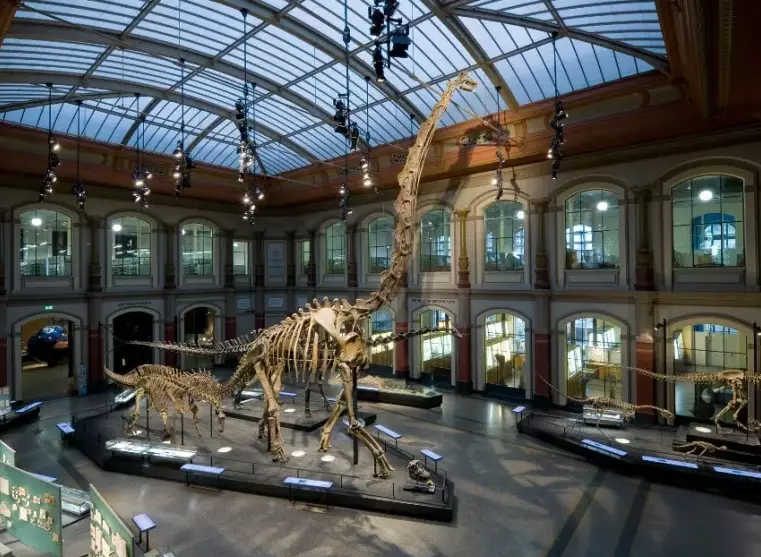
Don't just use Munich as an airport hub. Spend two full days here. The Marienplatz glockenspiel show is touristy but charming (11 am & 12 pm daily). For a deeper dive, visit the Deutsches Museum (one of the world's largest science museums, open 9 am-5 pm, tickets €15) or take a sobering trip to the Dachau Concentration Camp Memorial Site (free entry, open 9 am-5 pm, reachable by S-Bahn).
On the evening of Day 3, pick up your rental car. A pro tip: rent from a downtown location, not the airport, to avoid the hefty airport surcharge. Sleep in Munich.
Day 4: Munich to Füssen (Neuschwanstein) – Castle Day
Drive: ~2 hours (130 km) via A96. Leave early to beat the tour buses.
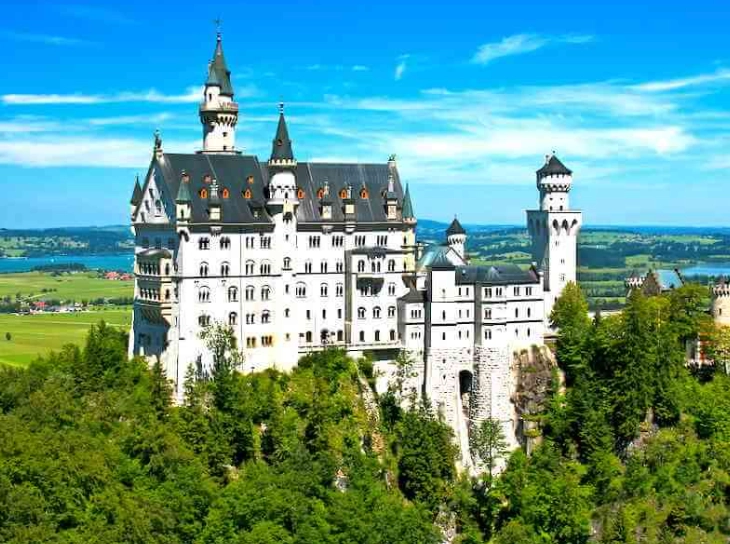
The postcard view of Neuschwanstein Castle is from Marienbrücke bridge. But here's the non-consensus view everyone misses: Hohenschwangau Castle, King Ludwig's childhood home right next door, is often more interesting and intimate. Tickets for both sell out days ahead. Book online on the official Hohenschwangau website. Neuschwanstein entry is €17.50, guided tour only.
Stay: Overnight in Füssen or the nearby Forggensee lake area for a peaceful evening.
Day 5: The Romantic Road to Rothenburg ob der Tauber
Drive: ~3 hours (220 km). Don't feel obligated to stop at every town on the Romantic Road. Dinkelsbühl is a less crowded, perfectly preserved alternative to Rothenburg. But Rothenburg is iconic for a reason.
In Rothenburg, walk the fully intact town walls. The Plönlein intersection is the classic photo spot. For dinner, try Zur Höll, a historic wine tavern in a building from 900 AD.
Day 6: Rothenburg to Würzburg – Wine & Residenz
Drive: ~1 hour (70 km).
Würzburg is the northern anchor of the Romantic Road. The Würzburg Residenz (UNESCO World Heritage, entry €9, open 9 am-6 pm Apr-Oct) is a Baroque masterpiece. Then, drive up to the Festung Marienberg fortress for panoramic views over the city and Main River vineyards.
Day 7: Into the Black Forest – Baden-Baden
Drive: ~2 hours 15 min (180 km). You're leaving the Romantic Road for the dense, mythical Black Forest.
Baden-Baden is about spa elegance. Book a three-hour session at the historic Friedrichsbad (€37 for the full Roman-Irish bath, textile-free) or the modern Caracalla Therme. A stroll along the Lichtentaler Allee park is free and gorgeous.
Day 8: Black Forest Scenic Drive & Cuckoo Clocks
Drive: A leisurely day on the Schwarzwaldhochstraße (Black Forest High Road). Stop at the Mummelsee lake and hike around it. Visit the Deutsches Uhrenmuseum (German Clock Museum) in Furtwangen to understand the cuckoo clock's history (€9, open 9 am-6 pm).
For the real deal, the family-run House of 1000 Clocks in Triberg is a better shopping experience than the bigger, more commercial stores.
Stay: Overnight in a traditional guesthouse (Gasthof) in Triberg or Freudenstadt.
Day 9: Black Forest to Heidelberg
Drive: ~2 hours (120 km).
Heidelberg's castle ruins (€9 for castle courtyard, pharmacy museum, and funicular, open 8 am-6 pm) loom over the picturesque old town and the Neckar River. The view from the castle terrace is worth the trip alone. The Philosophenweg (Philosopher's Walk) across the river offers the classic postcard view back to the castle.
Day 10: Rhine Valley Castles & Riesling
Drive: ~1 hour 15 min to Rüdesheim (90 km). Park the car.
This is a day to let someone else drive. Take a KD Rhine River cruise from Rüdesheim to St. Goar (or vice versa). This 2-3 hour stretch is the most concentrated for castles—you'll see over a dozen, including the Pfalzgrafenstein (the toll castle in the middle of the river) and Burg Katz. Check the KD Rhine timetable for exact sailing times. Grab a glass of Riesling on board.
In St. Goar, you can explore the hulking Rheinfels Castle ruins. Take the train back to your car in Rüdesheim (it's a frequent, 20-minute ride along the river).
Day 11: Rhine to Cologne (Köln)
Drive: ~1.5 hours (150 km) on the autobahn.
The twin spires of Cologne Cathedral (Kölner Dom) appear from miles away. Entry to the cathedral is free; climb the south tower for €6. Cross the Hohenzollernbrücke bridge, covered in love locks, for a great photo op. You must try a Kölsch beer in a traditional brewery tavern like Früh am Dom.
Day 12: Cologne to Berlin (The Long Leg)
Drive: ~5.5 hours (550 km). This is your longest driving day, mostly on high-speed autobahn (A2). Use cruise control, take breaks at service areas (Autohof), and consider stopping in Wolfsburg to see the Autostadt (Volkswagen's car theme park) if you're interested. Alternatively, take the high-speed ICE train from Cologne to Berlin (about 4 hours) and drop your car off in Cologne. This can be less stressful and similarly priced when you factor in fuel and a one-way rental drop fee.
Days 13-14: Berlin – Urban Finale & Departure
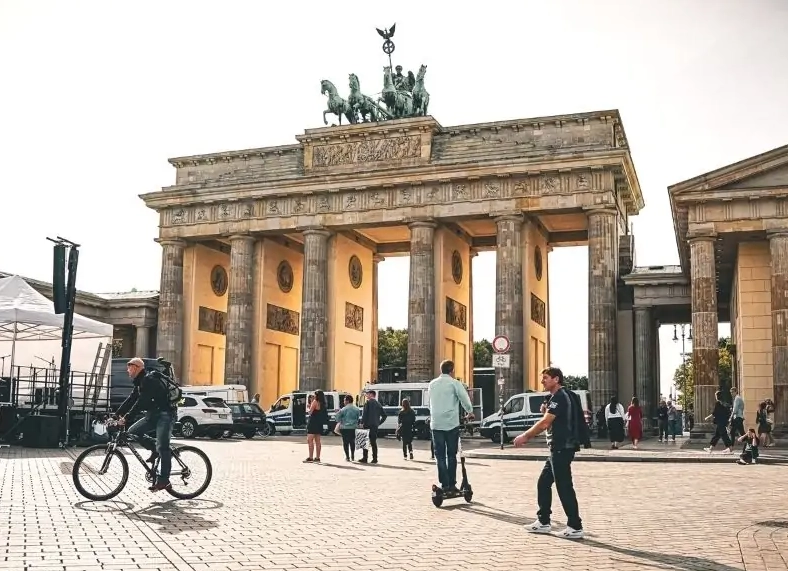
Two days in Berlin is a teaser, but enough for highlights. Visit the Brandenburg Gate, see the remains of the Berlin Wall at the East Side Gallery, and reflect at the Memorial to the Murdered Jews of Europe. On your final day, drop your car at Berlin Brandenburg Airport (BER) before your flight.
Essential Driving Tips for Germany
Driving here is a highlight, but it's different.
The Big Rule: On autobahns with no speed limit, keep right! The left lane is strictly for passing. If you see a flash of headlights behind you, move over immediately—they're likely going 180+ km/h.
You'll need an International Driving Permit (IDP) alongside your national license if it's not from the EU/EEA. Get it from your local automobile association before you leave.
Rental cars usually come with an Umweltplakette (environmental sticker) needed for city centers like Munich or Berlin. Confirm this when you pick up the car.
Parking: Look for Parkhaus (parking garage) signs in cities. Street parking often uses Parkscheinautomaten (pay-and-display machines).
Where to Stay: Hotel Picks for Each Stop
I prefer family-run hotels or design hotels over anonymous chains. Here are a few tested recommendations across different budgets.
| City | Hotel Suggestion | Why Stay Here | Approx. Price/Night |
|---|---|---|---|
| Munich | Hotel München Palace | Elegant, quiet location near the English Garden, great service. | €250-€400 |
| Füssen | Hotel Sonne | Centrally located, modern rooms in a historic building, includes parking. | €120-€200 |
| Rothenburg | Hotel Reichs-Küchenmeister | Right in the heart, traditional charm, some rooms have canopy beds. | €100-€180 |
| Baden-Baden | Hotel am Markt | Fantastic value, family-run for generations, perfect old-town location. | €90-€150 |
| Heidelberg | Der Europäische Hof | Luxury with a historic feel, superb spa, walking distance to old town. | €200-€350 |
| Cologne | Hotel im Wasserturm | Unique design hotel in a converted water tower, stunning city views. | €150-€300 |
| Berlin | Hotel-Pension Funk | Charming, affordable pension in a classic Berlin building near Ku'damm. | €80-€130 |
How to Plan Your Germany Road Trip Budget
Let's get real about costs for two people sharing a car and room.
- Rental Car (14 days, midsize, one-way drop): €600-€1000. Automatic transmission adds €30-€50/day.
- Fuel: ~€250-€350 (for ~1800 km). Diesel is cheaper but less common in rentals.
- Tolls: Zero on highways! But expect €2-€5 for some tunnels/bridges (like the Herrentunnel near Lübeck, not on this route).
- Mid-range Hotels (13 nights): €1300-€2000 (€100-€150/night average).
- Food & Drink: €70-€100 per day for two (moderate dining, some picnics).
- Attractions/Parking/Ferries: €300-€500.
Realistic Total for Two: €3,000 - €4,500. You can do it cheaper with hostels and supermarket food, or much more with luxury hotels and fine dining.