Let's cut to the chase. As of my last check-in with official sources, there is no blanket "Do Not Travel" warning for Germany. The country remains a safe and popular destination for millions each year. But—and this is a crucial but—"no major warning" doesn't mean "no risks." I've traveled to Germany dozens of times over the past decade, and the safety landscape is nuanced. Your main concern shouldn't be about avoiding a war zone; it should be about navigating the everyday pitfalls that can ruin a trip, which official advisories sometimes gloss over. This guide digs into the real travel warnings, the under-the-radar risks, and how to stay informed so you can plan with confidence.
What You'll Find in This Guide
The Official Status: What Governments Say
You should always start with government travel advisories. They're the baseline. Here’s a snapshot of what major English-speaking countries were saying at the time of writing (remember, you must check for updates yourself before traveling).
| Country (Issuing Authority) | Advisory Level | Key Stated Concerns |
|---|---|---|
| United States (Department of State) | Level 2: Exercise Increased Caution | Terrorism, demonstrations. |
| United Kingdom (Foreign Office) | No blanket warning; general advice. | Terrorism (threat "high"), petty crime. |
| Canada (Global Affairs) | Exercise a high degree of caution (Level 2) | Terrorism, petty crime. |
| Australia (Smartraveller) | Exercise a high degree of caution (Level 2) | Terrorism, crime. |
Notice a pattern? Everyone is at Level 2, which is basically the "normal" for most developed European nations. It's not a red flag; it's a yellow one. The German Federal Foreign Office itself provides updates, but naturally, it's in German. The consensus is clear: Germany is open for tourism, but you need to be aware.
The most common phrase you'll see is "terrorism." It sounds scary, but the practical implication isn't that you should hide in your hotel. It means be aware of your surroundings in crowded public spaces—train stations, Christmas markets, major events. Security is visible, especially at these locations.
Breaking Down the Real Risks in Germany
Forget the generic warnings. Let's talk about what you're actually likely to encounter. Based on my experience and local contacts, here’s the risk hierarchy for a typical tourist.
1. Petty Theft & Pickpocketing (Your #1 Concern)
This is the hands-down biggest threat to your peaceful vacation. It's not violent, but it's infuriating. Crowded tourist hubs are the prime hunting grounds: Munich's Marienplatz, Berlin's Alexanderplatz and S-Bahn trains, Cologne Cathedral square, the Frankfurt Hauptbahnhof (main station).
How it happens: Teams often work together. One might create a distraction (asking for directions, spilling something) while another lifts your wallet. Bags left on the back of chairs in beer gardens or open-air cafes are easy targets. I had a friend lose a camera this way in Munich's Englischer Garten—turned around for 30 seconds.
My Non-Consensus Tip on Pickpockets
Everyone says "use a money belt." Fine, but that's annoying. A better move? Use a small, cheap, decoy wallet. Keep a few old cards and 20 euros in it, in an easy-to-reach pocket. If you're ever pressured or mugged (extremely rare), you can hand that over. Your real cards and cash stay hidden in a secure belt or a zipped inner jacket pocket. It's a psychological trick that works.
2. Scams Targeting Tourists
These are less common than in some European capitals but exist. The "found ring" scam, where someone shows you a "gold" ring they just found and tries to sell it to you. Overpriced taxi rides from airports if you don't use an official taxi stand or app (like FREE NOW). Fake petitions around Alexanderplatz in Berlin—while you're signing, your pocket is being picked.
3. Demonstrations and Political Gatherings
Germany has a strong culture of public protest. Most are peaceful, but they can disrupt transport. I once got stuck in Berlin because a large demo shut down a major U-Bahn line for hours. The key advice here is simple: if you see a large gathering or hear chants, just walk the other way. Don't linger to take photos. Check local news for planned strikes (often by train unions) which are a more predictable nuisance.
4. Nightlife and Drink Spiking
In major cities' nightlife districts—like Berlin's Kreuzberg or Hamburg's Reeperbahn—standard big-city rules apply. Watch your drink, don't leave it unattended. The risk is low, but it's a global precaution.
City-Specific Safety Advice You Can Use
Germany isn't a monolith. Safety feels different in Berlin versus a Bavarian village. Here’s the on-the-ground feel.
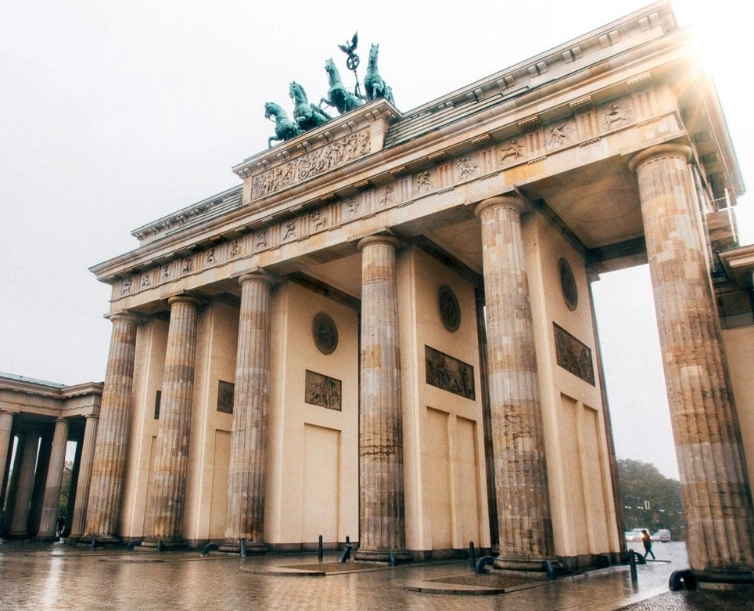
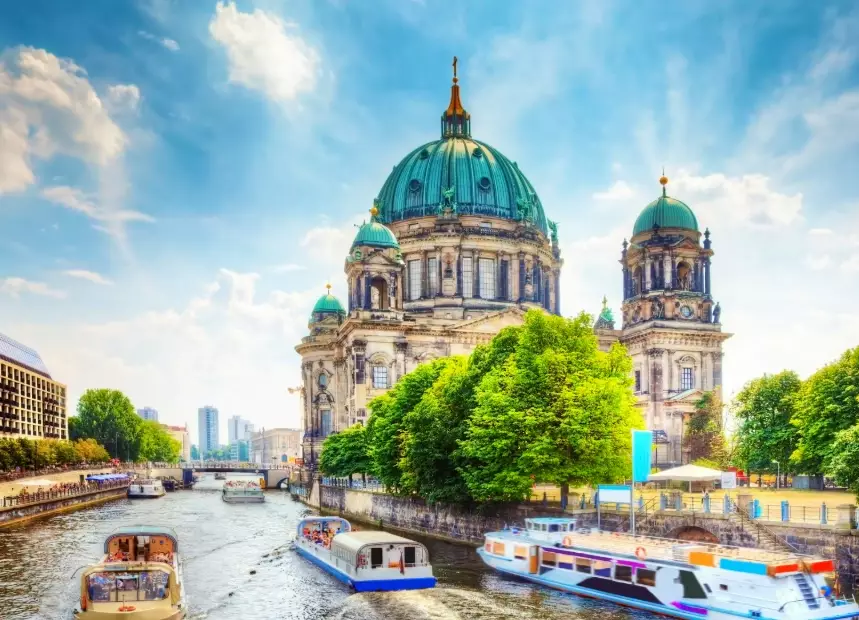
Berlin: It's gritty and alive. Areas like Mitte, Prenzlauer Berg, and Charlottenburg are very safe to walk day and night. Areas around Hermannplatz or parts of Neukölln at night can feel edgy—not necessarily dangerous, but you might see more street drinking or feel a bit uneasy if you're not used to urban environments. The U-Bahn is generally safe, but late at night, opt for carriages with more people.
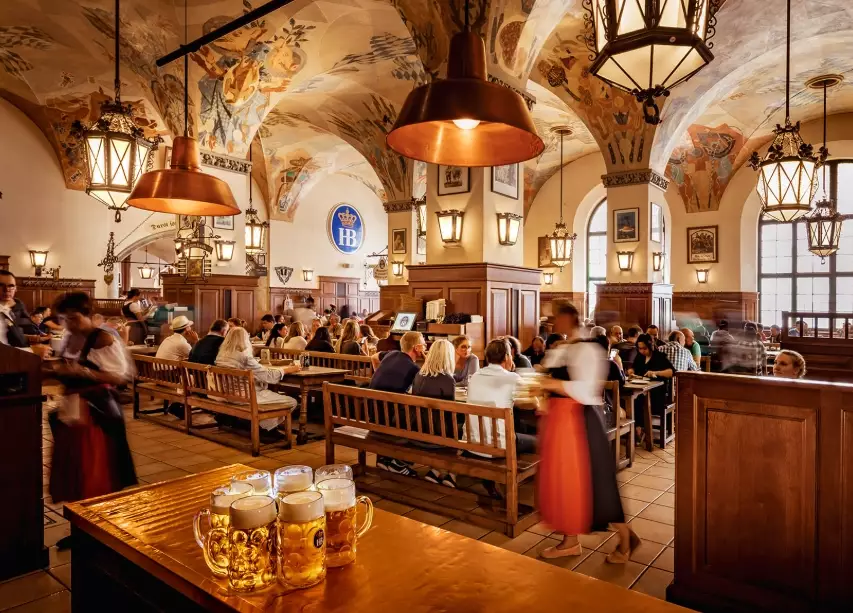
Munich: Feels wealthier and more orderly. Petty crime is almost exclusively concentrated in the tourist center. The biggest risk here is leaving your laptop under a table at a beer hall while you go for a second stein.
Frankfurt: The area immediately around the Hauptbahnhof (main station) has a reputation for drug-related activity and can feel seedy, especially at night. It's fine to pass through, but I wouldn't choose a hotel right there. A few blocks away, the city is perfectly normal and financial.
Cologne/Hamburg/Dresden: These are generally very walkable and safe. Standard precautions apply in their respective bustling downtown and nightlife areas.
How to Stay Informed Before & During Your Trip
Relying on a single article (even this one) is a mistake. Conditions change. Here’s your action plan for real-time information.
Step 1: Bookmark the Official Sources. Before you book and again 72 hours before departure, check:
- The U.S. Department of State's Travel Advisory page for Germany.
- Your own country's equivalent (e.g., UK FCDO, Canada Travel Advice).
- The German Federal Foreign Office website (use Chrome translate).
Step 2: Enroll in STEP or Your Country's Program. The U.S. Smart Traveler Enrollment Program (STEP) is free. It gives you email alerts and makes it easier for the embassy to contact you in a real crisis. Other countries have similar services.
Step 3: Follow Local English News. Apps like Deutsche Welle (DW) News or The Local Germany are great for headlines. They'll report on major strikes, large protests, or any significant incidents.
Step 4: Use Local Transit Apps. Apps like DB Navigator (for trains) and local city transit apps (BVG for Berlin, MVV for Munich) give real-time service alerts for delays or closures, which are often related to operational issues or security.
Honestly, spending 15 minutes on this prep can save you a massive headache. I learned this the hard way when a train strike in 2022 nearly stranded me in Stuttgart.