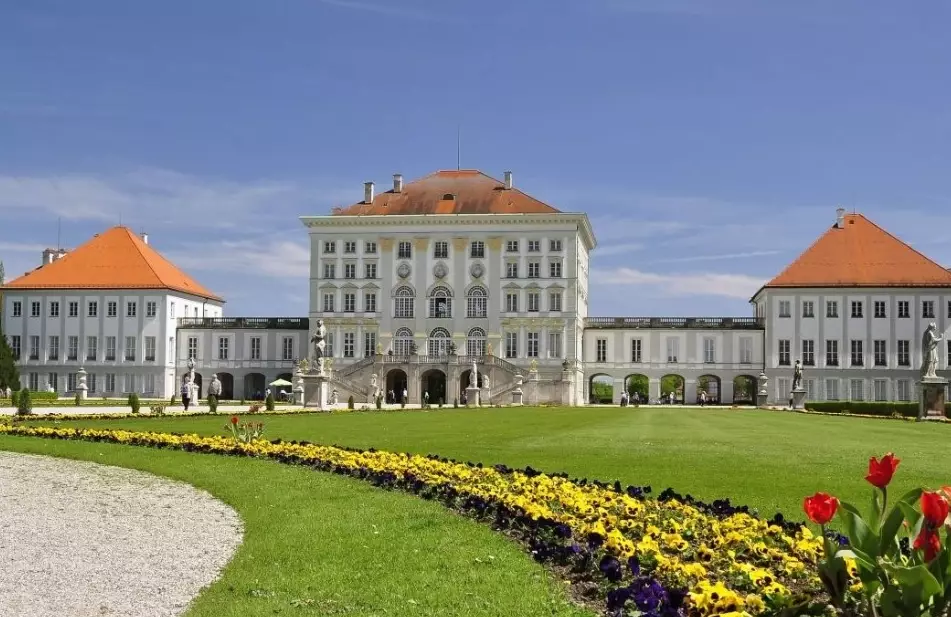
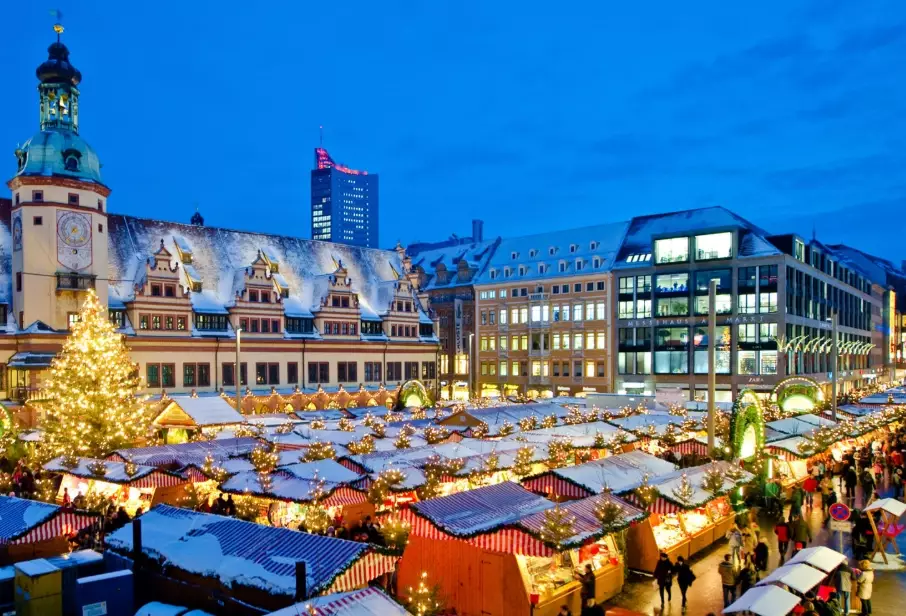
So you've got two weeks and want to see the best of Germany and Switzerland? Good choice. I've done this loop a few times, both solo and with family, and I've tweaked it down to what I think is the ideal balance of cities, culture, and those jaw-dropping Alpine views everyone dreams of. This isn't a rushed checklist; it's a paced journey that lets you actually experience places, not just photograph them from a bus window. We'll start in historic Munich, dive into fairy-tale Bavaria, cross into the Austrian Tyrol for a moment, then spend a solid week soaking up Swiss perfection. Let's get into the details you need to book this trip tomorrow.
Your Journey at a Glance
Day-by-Day Itinerary Breakdown
Here's the hour-by-hour plan. I'm including specific travel times and tips because knowing that the train from Munich to Füssen takes 2 hours is what makes planning possible.
Days 1-3: Munich & The Bavarian Dream
Fly into Munich Airport (MUC). Grab a MVV day pass for the S-Bahn into the city. Don't try to see everything on day one with jet lag. Drop your bags and head to the Marienplatz for the 5 pm Glockenspiel show—it's touristy, but fun. Dinner? Hofbräuhaus (Platzl 9, 80331 Munich) is the cliché for a reason. Get a Schweinshaxe (pork knuckle) and a massive pretzel. It's loud, chaotic, and an experience.
Day 2 is for depth. The Deutsches Museum (Museumsinsel 1, 80538 Munich, open 9 am-5 pm) is overwhelming. Pick one or two sections—aviation and physics are my picks. Later, wander the English Garden, see the surfers on the Eisbach wave. For a quieter dinner, try Augustiner-Keller (Arnulfstraße 52) for a more local beer hall feel.
Day 3: Neuschwanstein Day Trip. This is crucial. Book your train to Füssen in advance on the Deutsche Bahn website. The 9:00 am train gets you there for 11:00 am. From Füssen station, bus 73 or 78 goes to Hohenschwangau. Book your Neuschwanstein Castle ticket online weeks ahead for a specific timed entry (adult €19, guided tour only). The view from Marienbrücke bridge is the money shot. Many people just see the castle and leave, but the town of Füssen itself, with its painted buildings, is worth an hour. Return to Munich by evening.
Days 4-5: Innsbruck & Liechtenstein Dash
Day 4: Train from Munich to Innsbruck (about 2 hours). This is a strategic stop to break the journey into Switzerland. Innsbruck is compact. Walk the Old Town, see the Golden Roof, and take the Nordkette Cable Car (Hungerburgbahn) from the Congress station right in town. In 20 minutes, you're at 2,256m overlooking the city. Stunning. Stay near the station for an easy exit tomorrow.
Day 5: Morning train from Innsbruck to Feldkirch, Austria (2.5 hours). From here, it's a short 30-minute bus ride (Bus 11 or 14) into Vaduz, Liechtenstein. Yes, it's a microstate checkbox. Have lunch, get your passport stamped at the tourist office (for a fee), see the castle from below (it's closed to the public), and then catch an afternoon bus to your first Swiss base: Lucerne. The bus to Sargans, then train to Lucerne, takes about 1.5 hours total.
Days 6-8: Lucerne & Central Swiss Majesty
Day 6: Explore Lucerne. Walk the Chapel Bridge, see the Lion Monument, and wander the Musegg Wall. It's a beautiful city to just get lost in. For a classic Swiss meal, try Wirtshaus Galliker (Schützenstrasse 1) for Rösti and veal.
Day 7: Mount Pilatus Golden Round Trip. This is a full-day, epic loop. Start with a boat from Lucerne to Alpnachstad (covered by many travel passes). Then, take the world's steepest cogwheel railway up to Pilatus Kulm (adult CHF 82 round-trip). Have lunch at the summit with 360-degree views. Descend via cable car and gondola to Kriens, and take a bus back to Lucerne. Book cogwheel tickets online if it's summer.
Day 8: Train from Lucerne to Interlaken (about 2 hours). The scenery along the Brünig Pass line is incredible—sit on the right. Interlaken is the adventure hub. Use the afternoon to get oriented. For a heart-stopping view with zero effort, take the Harder Kulm funicular (CHF 34 round-trip) for a panorama of the Jungfrau region.
Days 9-11: The Jungfrau Region & Bern
Day 9: Don't go straight to Jungfraujoch (it's expensive and weather-dependent). Instead, take the train to Grindelwald and then the gondola to First. Do the Cliff Walk (free), and for adventure, try the First Flyer or Trottibike scooters down. The view of the Eiger is better here, in my opinion.
Day 10: Lauterbrunnen & Mürren. Train to Lauterbrunnen, stare at the Staubbach Falls, then take the cable car and train up to the car-free village of Mürren. The walk from Mürren to Gimmelwald is easy and postcard-perfect. This is the real Swiss Alpine village experience, without the massive crowds of Jungfraujoch.
Day 11: Travel from Interlaken to Bern (1 hour). Bern is an underrated capital. Walk the arcaded streets of the Old Town (a UNESCO site), see the Zytglogge clock tower, and visit the Bear Park. It's more relaxed than Zurich.
Days 12-14: Zurich & Departure
Day 12: Short train from Bern to Zurich (1 hour). Drop your bags and explore. Walk along Bahnhofstrasse, take a boat ride on Lake Zurich (included with a Zurich Card), and visit the Lindenhof hill for a free city view. For a unique dinner, the Zeughauskeller (Bahnhofstrasse 28a) in a former arsenal is great.
Day 13: Day trip to the Rhine Falls near Schaffhausen (train to Neuhausen Rheinfall, about 1 hour) or to the charming town of Rapperswil. Alternatively, just soak up Zurich's museums like the Kunsthaus or the Swiss National Museum.
Day 14: Depart from Zurich Airport (ZRH). The train from Zurich main station (Zürich HB) to the airport takes 10 minutes.
Transport & Logistics: Trains, Cars, and Passes
This is where trips get expensive or stressful. Here’s the breakdown.
Train is King. Driving between cities in Switzerland is pointless—trains are faster, scenic, and let you enjoy the view. In Germany, trains are efficient for city-to-city travel. For the Bavaria segment (Munich to Füssen), train is perfect. Renting a car for just the Black Forest or Romantic Road is an option, but for this linear itinerary, it's a hassle with parking and drop-off fees.
The Pass Dilemma:
- Swiss Travel Pass: For the 8 days in Switzerland on this itinerary (Days 5-13), a 8-day consecutive Swiss Travel Pass is worth serious consideration. It covers all trains, buses, boats, and most mountain excursions (like Pilatus cogwheel at 50% off). At around CHF 420 for 2nd class, it pays for itself if you're moving almost daily. The peace of mind is priceless.
- German Rail Pass: For just Munich to Innsbruck and maybe the Füssen trip, a pass isn't worth it. Book Sparpreis (saver) tickets on bahn.de 2-3 months in advance for fixed, cheap fares (Munich to Innsbruck can be as low as €20).
My personal take? I buy a Swiss Travel Pass and book cheap advance tickets for the German legs. It’s the optimal mix of flexibility and value.
Where to Stay & Realistic Budget Breakdown
Let's talk numbers. Switzerland is expensive. Germany is moderate. Planning ahead saves you a fortune.
| City | Accommodation Suggestion & Area | Avg. Nightly Cost (Mid-range) |
|---|---|---|
| Munich | Stay near the Hauptbahnhof (main station) or Sendlinger Tor for best transit links. Hotel Europa München is a reliable, well-located choice. | €120 - €180 |
| Innsbruck | Hotels near the Hauptbahnhof are convenient. Hotel Grauer Bär by the river is a good pick. | €100 - €150 |
| Lucerne | Anywhere within 15 mins walk of the station is fine. The Old Town is picturesque but can be noisy. Hotel des Alpes has great river views. | CHF 180 - CHF 250 |
| Interlaken | Stay in Interlaken Ost (East) station area for easier access to mountain trains. Hotel Bernerhof is central and good value. | CHF 150 - CHF 220 |
| Bern | The Old Town is beautiful. Hotel Bern is a modern option near the station. | CHF 160 - CHF 230 |
| Zurich | Areas like Zürich West are trendy and slightly better value than the city center, but still connected. Hotel Motel One Zurich is a good budget-conscious chain. | CHF 170 - CHF 260 |
Overall Budget (Per Person, Excluding Flights):
- Mid-Range Traveler: Expect CHF 2,800 - CHF 3,500 (approx €2,700 - €3,400). This covers trains (with a Swiss Pass), mid-range hotels, museum entries, mountain excursions, and eating at sit-down restaurants most days.
- Budget-Conscious Traveler: You can get this down to CHF 2,000 (€1,950) by using hostels, cooking some meals, being selective with mountain trips (maybe just one big one like Pilatus), and using regional passes instead of the full Swiss Travel Pass.
The single biggest budget killer is last-minute decisions. Book trains and hotels early.
Must-Know Tips for a Smooth Trip
These are the things I learned the hard way.
Money: Switzerland uses Swiss Francs (CHF), Germany uses Euros (€). Don't assume euros work in Switzerland—some tourist shops accept them but give poor change. Withdraw local currency from ATMs (called Bancomat in CH). Credit cards are widely accepted.
Packing: Even in summer, the mountains are cold. A waterproof jacket, layers, and solid walking shoes are non-negotiable. I saw people in flip-flops at 2000m—they were miserable.
Food on a Budget: Swiss restaurants are pricey. Embrace the Migros or Coop supermarket. Their ready-to-eat sections have excellent salads, sandwiches, and hot meals for under CHF 12. Picnic by a lake—it's a better experience anyway. In Germany, bakeries (Bäckerei) are your friend for cheap, delicious breakfasts and snacks.
Connectivity: A Swisscom or Sunrise SIM card (available at airports or train stations) gives you great coverage in both countries. EU roaming rules don't apply in Switzerland, so check your plan.
Your Germany & Switzerland Trip Questions Answered
There you have it. A two-week Germany and Switzerland itinerary built on experience, designed for real travel. It mixes iconic sights with local moments, and gives you the practical tools to make it happen. The Alps are waiting.