Let's cut to the chase. If you're planning a trip or just curious about Hamburg's climate, you want a straight answer, not a poetic ramble about the North Sea breeze. So here it is: January is the coldest month in Hamburg. But that simple fact is just the tip of the iceberg. Knowing it's cold doesn't tell you how to dress, what to expect, or whether you should even visit. I've spent winters there, talked to locals who've endured decades of them, and made my own share of mistakes—like thinking a fashion coat was sufficient for a December stroll along the Elbe (it was not). This guide goes beyond the basic temperature reading.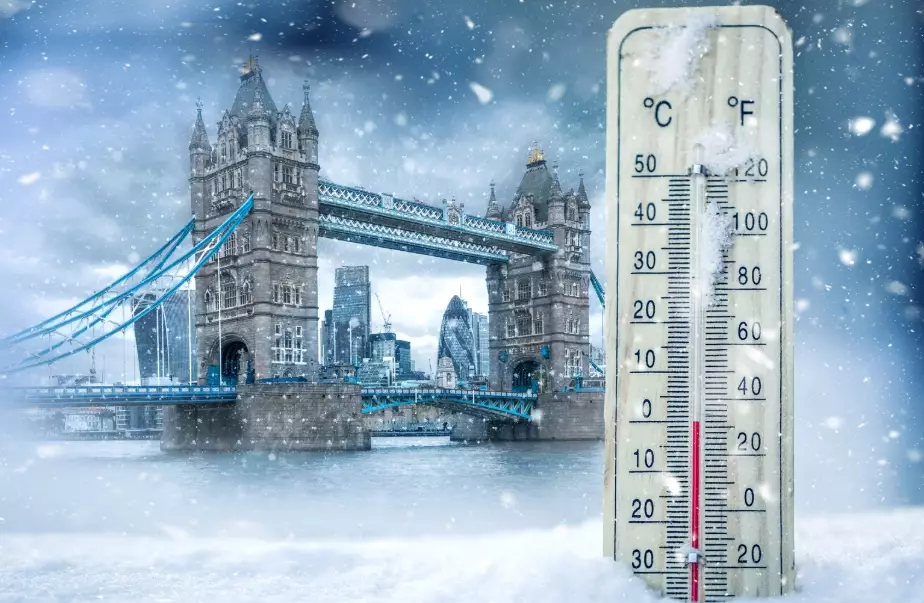
Your Quick Guide to Hamburg's Winter
The Data Don't Lie: January's Numbing Stats
We're not dealing with Arctic extremes, but Hamburg's winter has a persistent, damp chill that gets under your skin. According to long-term climate data from the German Meteorological Service (Deutscher Wetterdienst), the numbers tell a clear story.
| Month | Average High (°C / °F) | Average Low (°C / °F) | Key Characteristic |
|---|---|---|---|
| December | 4.5°C / 40.1°F | 0.3°C / 32.5°F | Festive but damp, daylight scarce. |
| JANUARY | 3.5°C / 38.3°F | -0.8°C / 30.6°F | The coldest month. Peak of winter gloom. |
| February | 4.4°C / 39.9°F | -0.6°C / 30.9°F | Similar chill, but days get noticeably longer. |
| March | 8.1°C / 46.6°F | 1.5°C / 34.7°F | Transition begins, but still very unpredictable. |
See that -0.8°C average low for January? That means freezing temperatures are the norm, not the exception. It's the only month where the average low definitively sits below freezing. But averages are one thing. I remember a January week where the daytime high stubbornly stayed at -3°C, and a biting wind made it feel like -10°C. On the flip side, a passing warm Atlantic front can push temps to a bizarrely mild 10°C, turning everything into a muddy mess. That's Hamburg for you.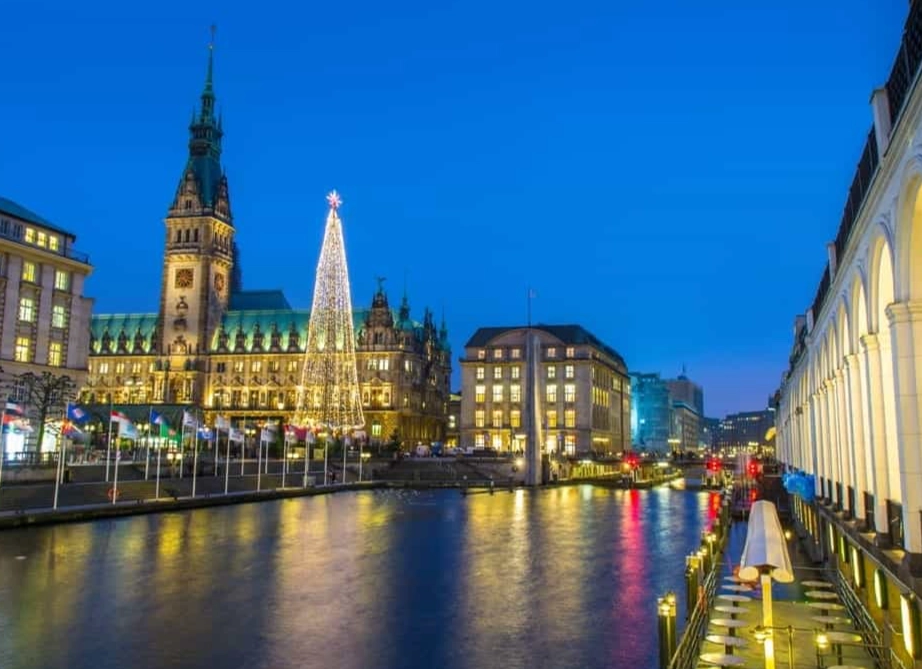
Why January Feels Colder Than the Thermometer Says
This is the part most weather sites gloss over. The raw temperature in Hamburg is only half the story. Three factors amplify the cold:
Humidity: Being a port city on the Elbe River, close to the North Sea, the air is almost always moist. High humidity makes cold air feel much more penetrating. That 3°C in Hamburg can feel as bone-chilling as a drier -2°C elsewhere.
Wind: There's rarely a still day. A steady breeze comes off the water, funneling through the city streets and along the riverbanks. This wind chill factor is a constant companion. A spot like Landungsbrücken or the Oevelgönne promenade can be brutally exposed.
Daylight (or Lack Thereof): In deep winter, the sun rises after 8:30 AM and sets before 4:30 PM. You get about 7.5 hours of weak, often cloud-obscured daylight. The prolonged grey skies—what Germans call Graupel or diesiges Wetter—have a psychological effect. It feels like the cold has settled in for the long haul.
A Local's Perspective: I asked a friend who's lived in Hamburg for 20 years what defines January. He didn't mention temperature. He said, "It's the Dauerregen (persistent rain) mixed with sleet, and the fact that it's already dark when you leave work at 5 PM. The cold is a given; the damp grey is what wears you down."
What to Wear: The Layering System That Actually Works
Forget looking stylish if you're outdoors for more than 15 minutes. Function is king. The biggest mistake tourists make is packing one bulky sweater and a heavy coat. You'll sweat on the U-Bahn and freeze by the Alster. You need a flexible system.
The Non-Negotiable Base Layer
Cotton is your enemy. It holds moisture. You need merino wool or synthetic thermal wear (like polyester thermals). This layer manages sweat and keeps your skin dry. I made the cotton mistake once; never again.
The Insulating Mid-Layer
This is for warmth. A fleece jacket, a down gilet (vest), or a thick wool sweater. The beauty of this layer is you can remove it when you duck into a cozy café like Café May in Ottensen or the historic Konditorei & Café on Bergstraße.
The Shell: Your Shield Against the Elements
This is the most important piece. Your outer layer must be windproof and waterproof (not just water-resistant). A long, insulated parka with a hood is ideal. Hamburg's winter precipitation is rarely dry snow; it's rain, sleet, and wet snow that soaks you in minutes.
And your feet? Waterproof boots with a non-slip sole. Cobblestones get slick with rain and ice. Fashion boots won't cut it. Trust me.
Is It Worth Visiting Hamburg in January?
It's a mixed bag. If your dream vacation involves sunny terraces and long walks, pick another season. But January has a stark, moody beauty and real advantages.
The Pros: Hotels are cheaper. You can find deals at places like the Reichshof Hamburg or the 25hours Hotel HafenCity that are unthinkable in summer. There are no queues for the Miniatur Wunderland (book ahead, but it's easier). The city feels authentic, not geared solely for tourists. You can also sometimes catch the tail end of the Christmas markets in the first few days of January.
The Cons: The weather is objectively challenging. Some outdoor attractions, like boat tours on the Alster or the beach clubs in Övelgönne, are closed or have very limited operation.
How to Structure Your Days
Plan your itinerary like a Hamburger: cluster indoor activities.
Morning: Museum visit. The Kunsthalle Hamburg is vast and world-class. The International Maritime Museum in HafenCity is fascinating and housed in an old warehouse.
Afternoon: Architectural exploration indoors. Wander the corridors of the Elbphilharmonie (the Plaza viewing platform is free, but book a slot online). Get lost in the historic Speicherstadt warehouse district, now filled with museums and cafes.
Evening: This is Hamburg's sweet spot any time of year. Dive into the nightlife in Schanzenviertel or St. Pauli. Enjoy a hearty meal in a traditional Gasthaus—think Labskaus (a corned beef hash) or a warming Grünkohl (kale stew). The coziness, called Gemütlichkeit, is next-level in winter.
Expert Tips for Surviving and Thriving in the Cold
Here’s what you won’t find in a standard guidebook:
1. Embrace the Fika/Kaffeeklatsch Culture: The Scandinavian concept of a cozy coffee break is alive in Hamburg. Use the cold as an excuse to frequent cafes. It's not laziness; it's cultural immersion. Try the apple cake at Café Knuth.
2. The Public Transport Savior: The HVV network (U-Bahn, S-Bahn, buses) is excellent, warm, and reliable. Get a day pass or the Hamburg CARD. It's your mobile warming station. Plan your sightseeing around U-Bahn stops to minimize time outside.
3. Seek Out Winterbades (Winter Baths): For the truly brave, the Sauna and Winterbaden culture is huge. Places like the Arriba Sauna in the Stadtbad or the Holthusenbad offer saunas and cold plunge pools. It's an incredible way to feel alive in the dead of winter.
4. Check for Schietwetter Programs: "Shitty weather" programs. Many museums and venues have special tours or events advertised for bad weather days. Look for "Schietwetterprogramm" on local event listings.
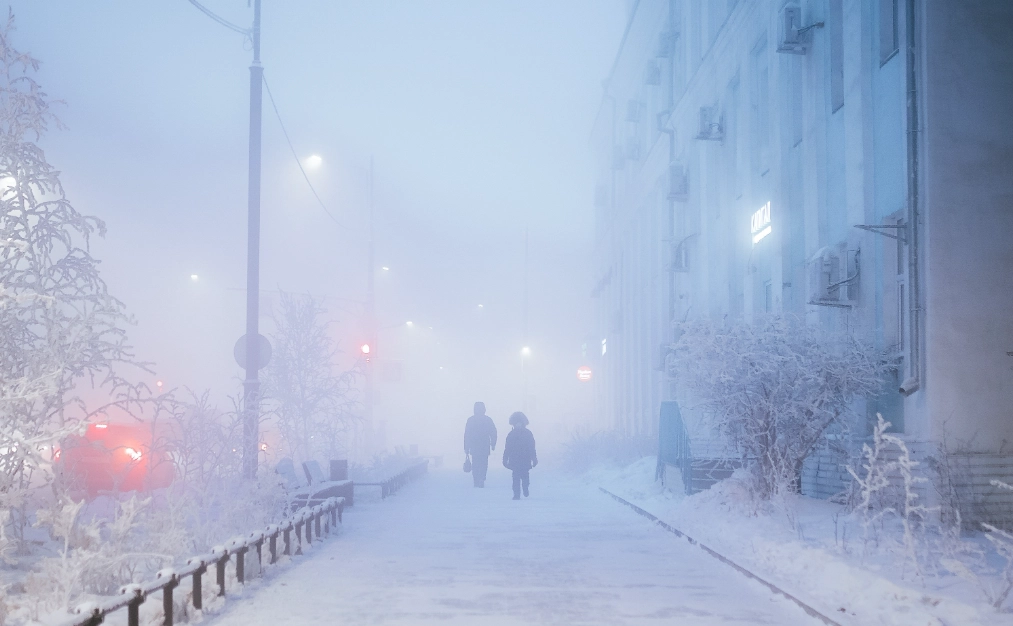 So, yes, January is the coldest month in Hamburg. It's a month of short days, long nights, and a damp chill that demands respect. But it's also a month that reveals a different, more resilient side of the city. With the right preparation—both in your suitcase and your mindset—you can discover a Hamburg that's intimate, atmospheric, and deeply rewarding. Just pack those waterproof boots.