Three weeks in Germany is the sweet spot. It’s enough time to move beyond a rushed highlights tour and actually sink into the rhythm of the place. You can cover the major cities, get lost in storybook towns, hike in the Black Forest, and still have afternoons where you just sit in a beer garden without feeling guilty. Most itineraries online are either too fast (trying to do everything in 10 days) or too vague. This one is built from the ground up for a real three-week trip, with logistics you can actually book and mistakes you can avoid.
Your 3-Week Germany Roadmap
- Why Three Weeks is the Ideal Length
- The 3-Week Germany Itinerary at a Glance
- Week One: History & Urban Energy (Berlin & Dresden)
- Week Two: Castles, Forests & Fairytales (Bavaria & Romantic Road)
- Week Three: Rivers, Wine & Harbor Lights (Rhine, Heidelberg, Hamburg)
- Where to Stay: Hotel Picks for Each Stop
- Getting Around Germany: Train vs. Car
- A Realistic Budget Breakdown
- Packing for Three Seasons in One Trip
- Your Germany Trip Questions Answered
Why Three Weeks is the Ideal Length
With less than two weeks, you're constantly packing and unpacking. With three, you can schedule 3-4 nights in most key locations. This means you can take a day trip without uprooting your entire base, recover from jet lag properly, and even have a "down day" if the weather turns or you just need a break from museums. It allows for depth alongside breadth.
The 3-Week Germany Itinerary at a Glance
This route is a classic loop, starting and ending in major international hubs (Berlin and Hamburg/Frankfurt). It balances iconic must-sees with lesser-known gems, and mixes city excitement with countryside serenity.
| Days | Location | Key Highlights | Base Nights |
|---|---|---|---|
| 1-4 | Berlin | Reichstag, Museum Island, East Side Gallery, Food Tours | 4 |
| 5-6 | Dresden | Frauenkirche, Zwinger Palace, Day trip to Saxon Switzerland | 2 |
| 7-10 | Munich | Marienplatz, Nymphenburg Palace, Day trips to Dachau & Neuschwanstein | 4 |
| 11-12 | Rothenburg ob der Tauber | Medieval Old Town, Night Watchman Tour, Christmas Museum | 2 |
| 13-14 | Heidelberg | Heidelberg Castle, Philosopher's Walk, Old Bridge | 2 |
| 15-16 | Rhine Valley (St. Goar or Bacharach) | Rhine River Cruise, Castle Hopping, Riesling Tasting | 2 |
| 17-19 | Hamburg | Speicherstadt, Elbphilharmonie, Miniatur Wunderland, Harbor Tour | 3 |
| 20-21 | Departure (from Hamburg or Frankfurt) | Final Souvenirs, Relaxed Goodbye | 1-2 |
Week One: History & Urban Energy (Berlin & Dresden)
Berlin (Days 1-4)
Fly into Berlin Brandenburg (BER). Don't try to see everything on day one. Get a BVG day pass and get oriented. A mistake I see first-timers make is trying to do the Reichstag Dome, Brandenburg Gate, and Memorial all in one rushed morning. They're close, but each deserves time.
Must-Dos: Book the Reichstag Dome visit online weeks in advance (it's free but slots fill up). Museum Island is a full day—prioritize the Pergamon and Neues Museum. The East Side Gallery is best visited early morning to avoid crowds. For a unique evening, join a food tour in Kreuzberg—you'll get history with your currywurst.
Berlin Day Trip Consideration: Potsdam (Sanssouci Palace) is lovely, but with only four days in Berlin, I'd skip it unless you're a huge history buff. The city itself has more than enough.
Dresden (Days 5-6)
A 2-hour train ride from Berlin. Dresden is often called "Florence on the Elbe," and for good reason. The rebuilt historic center is stunning. The Frauenkirche (free entry) is a powerful symbol of reconciliation. The Zwinger Palace gardens are perfect for a stroll.
The real gem here is a day trip to Saxon Switzerland National Park (Sächsische Schweiz). Take the S-Bahn to Kurort Rathen (about 45 mins), then a short ferry across the Elbe. The hike to the Bastei Bridge is moderate and offers jaw-dropping views of sandstone pillars. Most three-week itineraries miss this, but it's a fantastic nature break.
Week Two: Castles, Forests & Fairytales (Bavaria & Romantic Road)
Munich (Days 7-10)
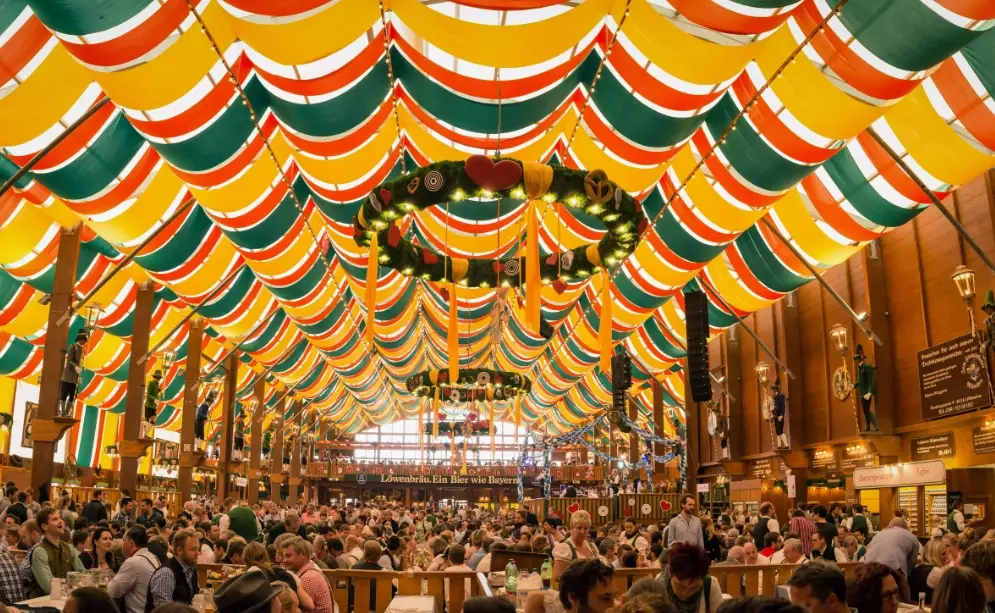
Take a direct train from Dresden to Munich (about 6 hours, consider a scenic afternoon ride). Munich is your base for exploring classic Bavaria. Yes, go to the Hofbräuhaus for one beer for the experience, then find a quieter beer garden like Augustiner-Keller for the rest of your stay.
Essential Day Trips from Munich: Neuschwanstein Castle: Book tickets online months ahead for a specific entry time. The hike up to Marienbrücke (Mary's Bridge) for the postcard view is non-negotiable, even if it's crowded. Consider a guided tour from Munich that also includes Linderhof Palace to save logistical headache. Dachau Concentration Camp Memorial: A sobering, essential visit. Take the S2 train from Munich main station directly to Dachau station, then bus 726. Give yourself at least half a day. The audio guide is highly recommended.
Rothenburg ob der Tauber (Days 11-12)
Pick up your rental car in Munich on the morning of Day 11. Driving to Rothenburg (about 2.5 hours) is the easiest way to access the Romantic Road. Rothenburg is touristy, yes, but it's the real deal—a perfectly preserved medieval walled town. The Night Watchman Tour (8 pm daily, meet at Market Square) is cheesy in the best possible way and incredibly informative. Walk the town walls at sunrise for magical, crowd-free photos.
Stay within the walls. Parking can be tricky—book a hotel with its own parking lot.
Week Three: Rivers, Wine & Harbor Lights (Rhine, Heidelberg, Hamburg)
Heidelberg (Days 13-14)
Drive from Rothenburg to Heidelberg (under 2 hours). Heidelberg Castle requires a funicular ride up. The view from the castle terrace over the red-roofed old town and the Neckar River is worth the entry fee alone. Spend an afternoon wandering the Philosopher's Walk across the river. Dinner tip: Try traditional fare at Zum Roten Ochsen (Hauptstraße 217), a historic student tavern.
Rhine Valley (Days 15-16)
A short drive from Heidelberg. Base yourself in a tiny town like St. Goar or Bacharach. The magic here is slowing down. Park the car and don't use it. Get a KD Rhine Pass for a day of hop-on, hop-off cruising between castles. Visit Rheinfels Castle ruins above St. Goar. Have a glass of Riesling at a family-run Weingut. This two-day pause is the heart of the trip for many.
Hamburg (Days 17-21)
Drop off your rental car at Frankfurt Airport (FRA) or Mainz main station. Take a high-speed ICE train to Hamburg (about 4 hours). Hamburg is a different Germany—maritime, modern, and sprawling. The Elbphilharmonie plaza (free ticket required) offers a panoramic view. Miniatur Wunderland is the world's largest model railway and is astonishing, even if you think you're not interested—book tickets online. Take a harbor boat tour to understand the city's scale. For your final nights, consider staying in the vibrant St. Pauli or Sternschanze districts. Fly home from Hamburg (HAM) or take a quick train back to Frankfurt.
My Personal Take: Everyone raves about the Rhine, but on my last trip, I found the Middle Rhine section between Koblenz and Bingen almost too crowded with large tour groups on the big boats. For a more intimate experience, focus on the smaller towns between Bacharach and Kaub, and take the local ferries (Fähre) that criss-cross the river. You'll share the space with locals and their bicycles.
Where to Stay: Hotel Picks for Each Stop
Choosing the right area matters more than a fancy lobby. Here are specific, tried-and-tested recommendations across budgets.
| City | Mid-Range Pick (€100-€180/night) | Why It Works |
|---|---|---|
| Berlin | Motel One Berlin-Hackescher Markt (Grosse Präsidentenstr. 8) | Excellent location near transit and nightlife, clean, modern design, good value. |
| Dresden | Hotel Bülow Residenz (Kamenzer Str. 12) | Elegant palace-turned-hotel near the main sights. Quiet courtyard. |
| Munich | Hotel Blauer Bock (Sebastiansplatz 9) | Traditional Bavarian style right next to the Viktualienmarkt food market. |
| Rothenburg | Hotel-Gasthof Goldener Hirsch (Untere Schmiedgasse 16) | Inside the walls, half-timbered charm, free parking (rare!). |
| Heidelberg | Hotel Zum Ritter St. Georg (Hauptstr. 178) | Staying in a 16th-century landmark building on the main pedestrian street. |
| Rhine Valley | Hotel am Markt (Oberstr. 38, Bacharach) | Central location in a postcard village, family-run, great breakfast. |
| Hamburg | Reichshof Hotel Hamburg (Kirchenallee 34-36) | Historic art-deco hotel directly opposite the main train station (Hbf). |
Getting Around Germany: Train vs. Car
This itinerary uses a hybrid model for maximum efficiency and experience.
Trains (Berlin to Dresden to Munich): The Deutsche Bahn network is superb for city-to-city travel. Book ICE (high-speed) tickets in advance on their website for the best "Sparpreis" savings. Regional trains are cheaper but slower.
Rental Car (Munich to Rhine Valley): You need a car for the Romantic Road and the Rhine Valley flexibility. Pick up in Munich on Day 11, drop off near Frankfurt/Rhine on Day 17. Book an automatic transmission if you're not used to manual. German drivers are fast but disciplined—stay right unless passing.
Pro Tip: Don't drive in major city centers (Berlin, Munich, Hamburg). The train system within cities is excellent, and parking is expensive and stressful.
A Realistic Budget Breakdown
For two people sharing rooms, here’s a rough estimate (in Euros, mid-range travel style).
- Accommodation (20 nights): €2,800 - €3,600 (€140-€180/night avg.)
- Intercity Transport (Trains + 7-day rental car): €800 - €1,000
- Local Transport & Fuel: €300
- Food & Drink: €1,500 - €2,100 (€50-€70 per person per day)
- Sightseeing & Activities: €600 (museums, castle entries, tours)
- Total (for two): €6,000 - €7,600. This is a realistic figure for comfortable travel, not shoestring backpacking.
Packing for Three Seasons in One Trip
German weather is unpredictable, even in summer. Pack layers. A waterproof, windproof jacket with a hood is non-negotiable. Comfortable walking shoes are your most important item—you'll easily walk 8-12 miles (13-19 km) on city days. Bring a small daypack for water, guidebook, and that jacket. A universal power adapter and a portable power bank are essential. For men, a pair of casual trousers (not shorts) is needed for some finer restaurants or churches.