Ask anyone what comes to mind when they think of Hamburg, and you'll likely get one of two answers: "The Beatles lived there!" or "It's a port city." Both are true, but they barely scratch the surface of what makes this northern German metropolis so captivating. Having lived here for years, I've watched friends visit expecting just another German city, only to be utterly charmed by its unique maritime soul.
Hamburg isn't about fairy-tale castles or Alpine vistas. Its magic is subtler, woven into the cobblestones of its warehouse district, the salty air of the Elbe River, and the hum of a city that has always looked outwards to the world. It's a city of water, commerce, and a surprisingly vibrant cultural scene that feels completely distinct from Berlin or Munich.
Your Quick Guide to Hamburg's Highlights
A City Built on Water: More Canals Than Venice
The statistic gets thrown around a lot: Hamburg has more bridges (over 2,500) than Venice, Amsterdam, and London combined. It's not just a trivia fact; it defines the city's layout and atmosphere. Water isn't just at the edge of town; it's threaded through its heart.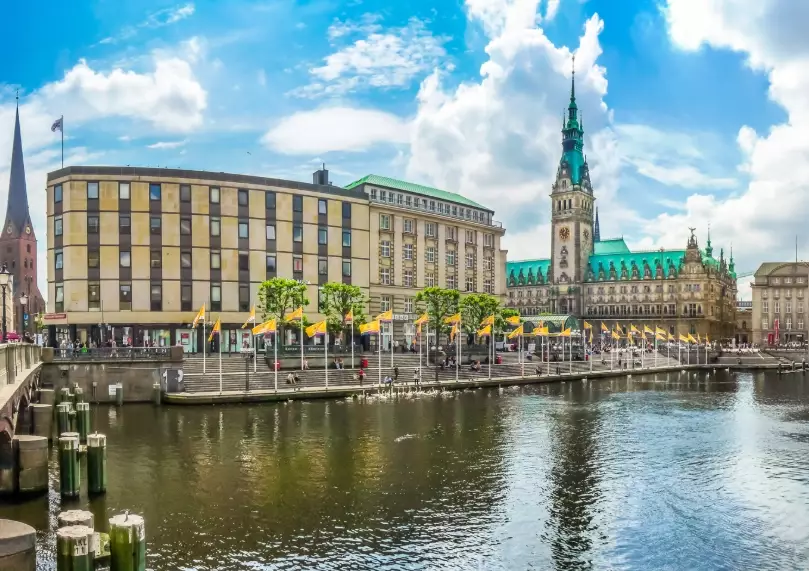
The Port (Hafen): The City's Beating Heart
The Port of Hamburg is the largest in Germany and the third-busiest in Europe. You can feel its energy. Skip the generic harbor tours and book a "Port of Hamburg" tour with Barkassen-Meyer. These smaller boats navigate the massive container terminals, getting you up close to the sheer scale of global trade. It’s a humbling and fascinating perspective you won't get from land. Tours run daily from Landungsbrücken, costing around €20 for 90 minutes.
Pro-Tip: For the best view, head to the Elbphilharmonie Plaza. The entrance is free (book a time slot online), and the panoramic view over the endless cranes and waterways is unforgettable, especially at sunset.
Speicherstadt & HafenCity: Where Old Meets New
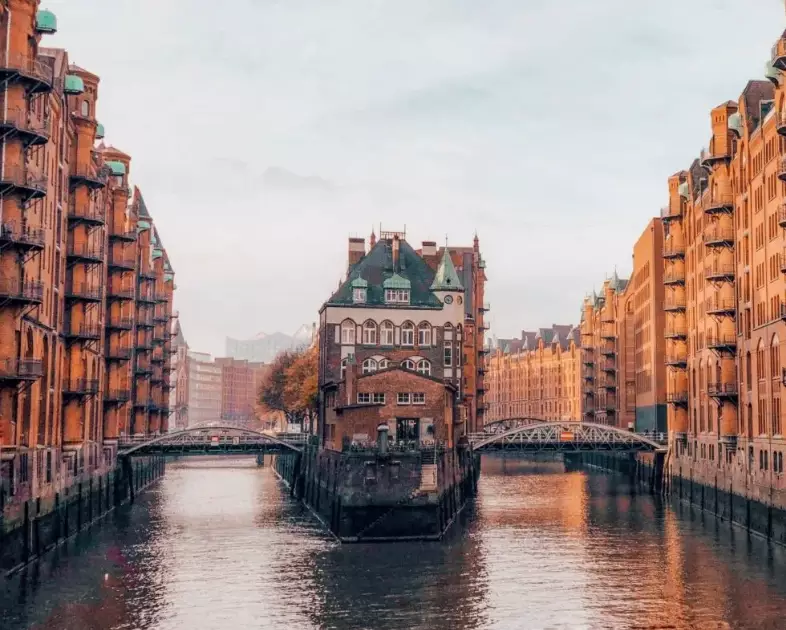
Adjacent to the port is the Speicherstadt, the world's largest contiguous warehouse complex. Built on oak logs in the late 19th century, its neo-Gothic brick buildings are a UNESCO World Heritage Site. Walking its narrow canals at dusk, with the lights reflecting on the water, feels like stepping into a different century. It's not a museum; it's a living district housing museums, cafes, and offices.
Right next door, HafenCity is its 21st-century counterpart. This massive urban development project is where you'll find architectural marvels like the Elbphilharmonie concert hall. The contrast between the historic red-brick warehouses and the sleek, modern buildings is a physical manifestation of Hamburg's character: deeply historic yet constantly evolving.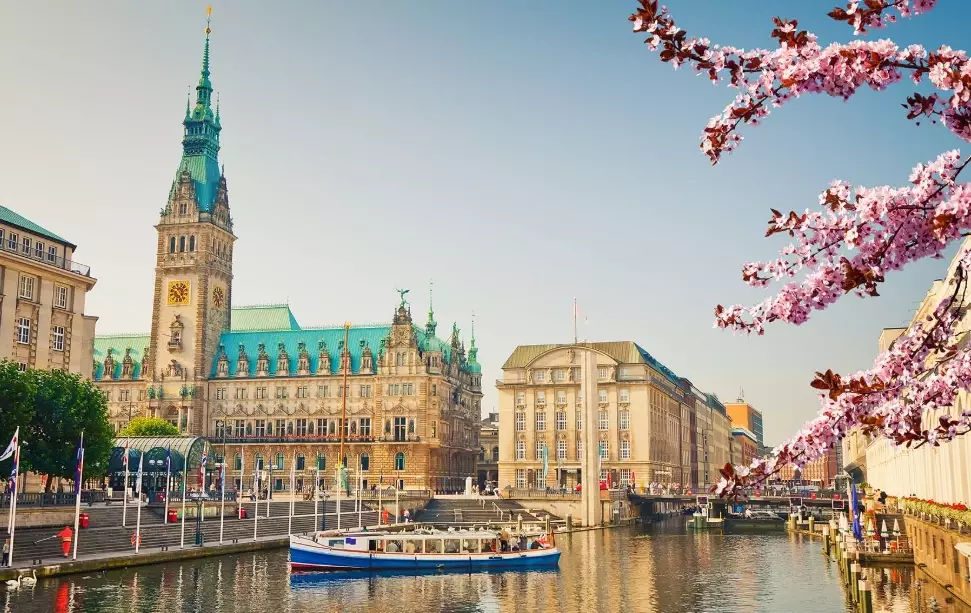
Culture Beyond Classical Music
Hamburg's cultural scene is famously diverse. Yes, it has a world-class orchestra and the stunning Elbphilharmonie (a must-visit, even just for the plaza). But its real cultural claim to fame is as the "Musical Capital of Germany." More major musicals premiere here than anywhere else in the country. Shows like "The Lion King" have run for decades.
Then there's the Beatles connection. The band's formative years from 1960 to 1962 were spent playing grueling sets in the clubs of the St. Pauli district, most famously the Indra and the Kaiserkeller. While the original venues are gone or changed, you can walk the "Beatles-Platz", a circular plaza with steel sculptures of the band, and feel the echoes of that era.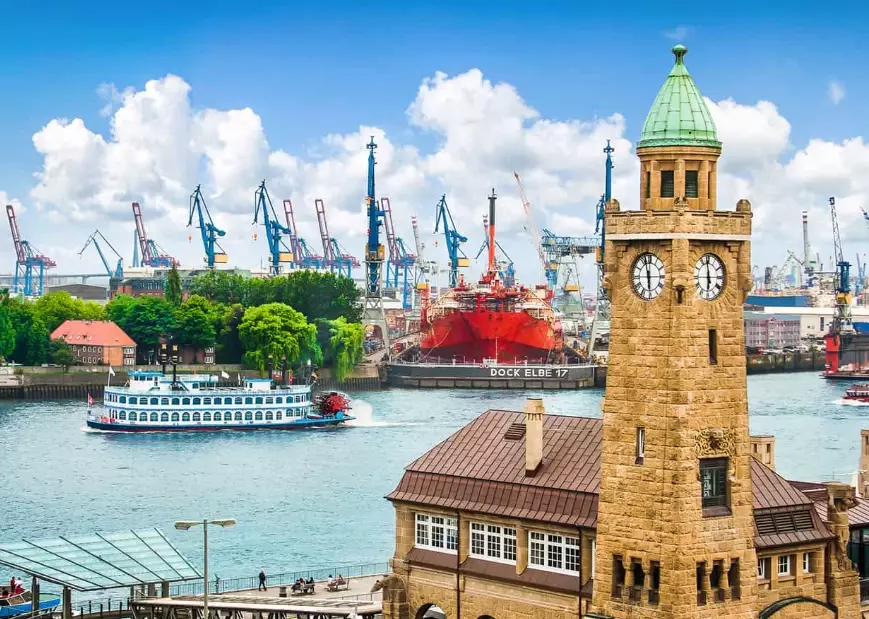
Food: It's Not Just Fish Sandwiches (But They're Amazing)
Of course, you have to try a Fischbrötchen (fish sandwich). The classic is Bismarckhering (pickled herring) with raw onions. Don't go to a tourist stall. Head to the Sunday Fischmarkt (5 am – 9:30 am, St. Pauli Fischmarkt 2) for the authentic, noisy, fishy experience, or to a trusted chain like Fisch-Gosch at Landungsbrücken.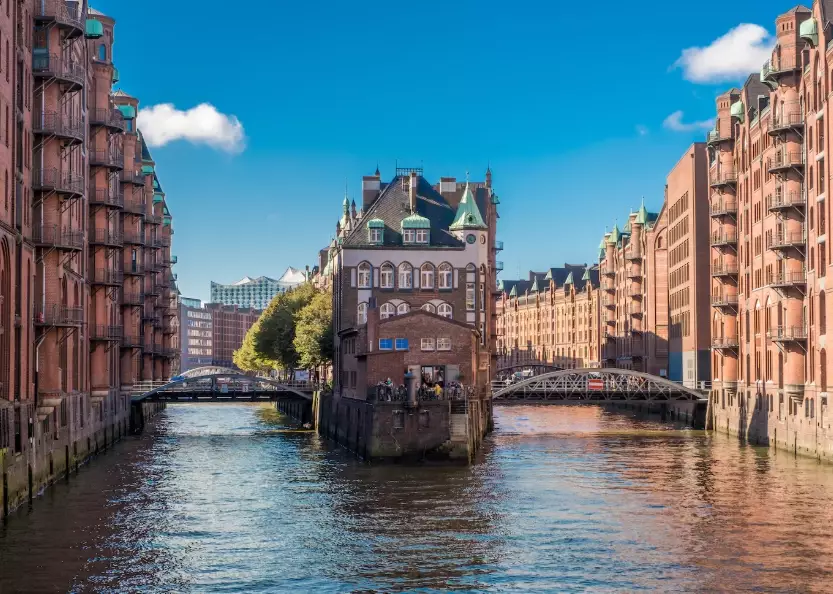
But Hamburg's cuisine is richer. This is the home of Labskaus, a sailor's dish that looks... challenging. It's a mash of corned beef, beetroot, potatoes, and pickles, topped with a fried egg and rollmops. It's an acquired taste, but trying it at a traditional restaurant like Old Commercial Room (Englische Planke 10) is a rite of passage.
For a sweet treat, seek out Franzbrötchen. This local cinnamon pastry, similar to a flattened, caramelized croissant, is Hamburg's answer to the Berliner. Any good bakery will have them.
The Nightlife Vibe: From Rough to Refined
Hamburg's nightlife is legendary, centered on the St. Pauli district and its most famous street, the Reeperbahn. It's a mix of neon-lit bars, music clubs, theaters, and adult entertainment. The Reeperbahn has cleaned up considerably and is now safer and more diverse, but it retains its gritty, energetic edge.
For a more alternative vibe, cross the main road into the Schanzenviertel. This area is packed with quirky bars, independent boutiques, and politically charged graffiti. It's the heart of Hamburg's left-leaning, student scene. A night hopping between a craft beer bar in Sternschanze and a cocktail lounge in St. Pauli showcases the city's dual personality perfectly.
I have to be honest: the Reeperbahn isn't for everyone. If loud, crowded streets aren't your thing, you'll find the Schanzenviertel or the bars along the Elbe (like the Strandperle) much more enjoyable.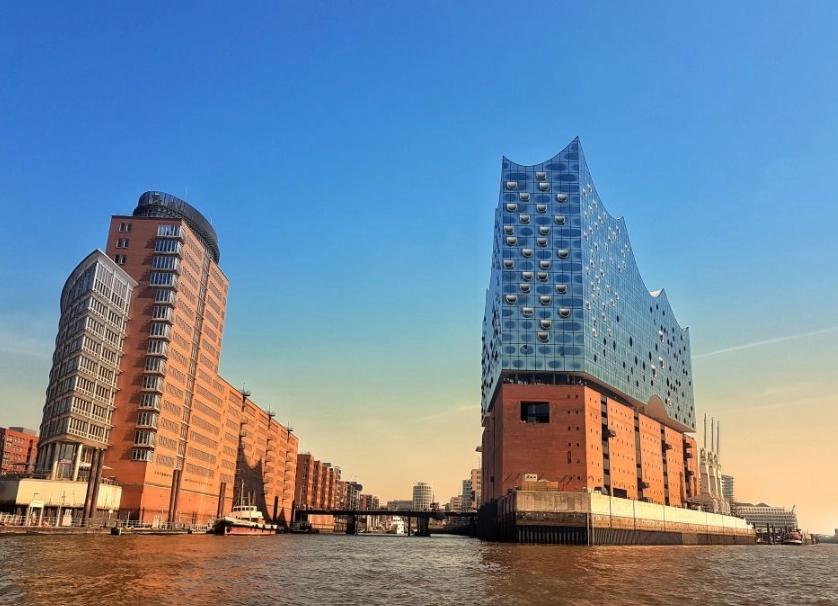
The Green Escape: Hamburg's Lungs
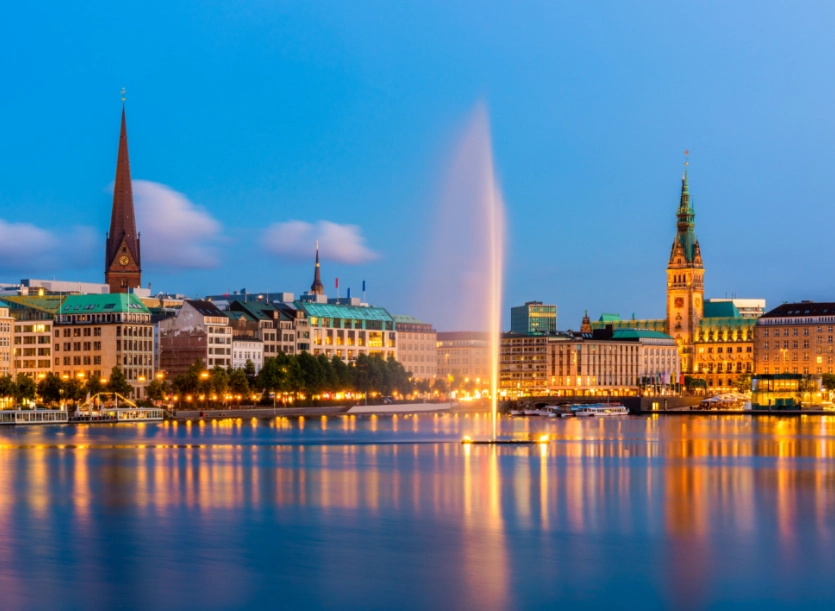
What surprised me most when I moved here was how green it is. The Alster Lakes (Binnenalster and Außenalster) are right in the city center. Locals jog, sail, and picnic around them. You can rent a paddleboat or take a tranquil Alster cruise for a completely different view of the city's elegant waterfront villas.
For a bigger escape, the Planten un Blomen park offers gorgeous botanical gardens, and from May to October, there's a beautiful water-light concert at the park's lake every evening. It's free and utterly relaxing.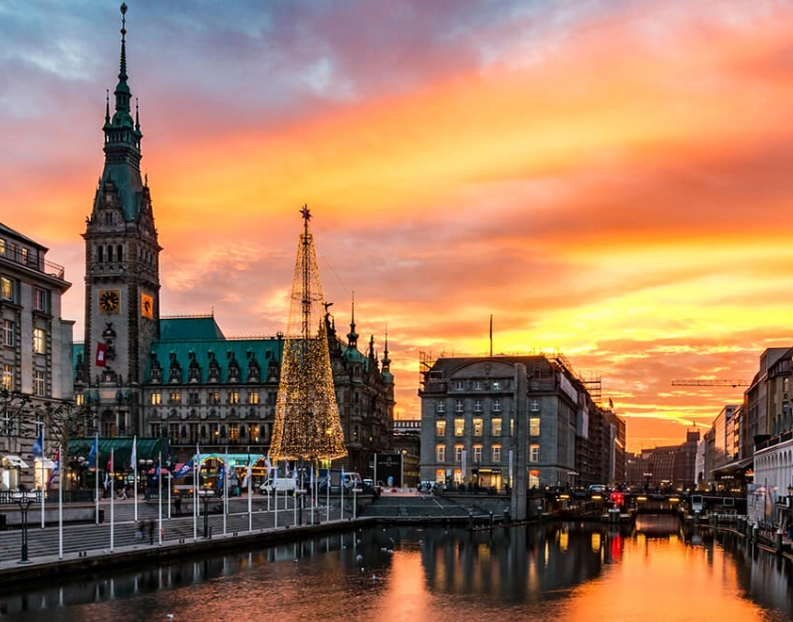
Practical Tips for Planning Your Hamburg Trip
To make the most of your visit, here are a few logistical pointers:
- Getting Around: The HVV public transport network (U-Bahn, S-Bahn, buses, ferries) is excellent. Get a Hamburg CARD. It covers all transport and gives discounts to many attractions. It pays for itself quickly.
- Where to Stay: For first-timers, areas near the Hauptbahnhof (central station) or around St. Georg offer good connectivity. For more character, look at hotels in Altona or near the university in Rotherbaum.
- Budgeting: Hamburg is not a cheap city. Expect Berlin-level prices for accommodation, food, and attractions. The Hamburg CARD and seeking out Imbiß (take-away snack stalls) for lunch can help manage costs.
| Top Attraction | What Makes It Special | Practical Info |
|---|---|---|
| Elbphilharmonie Plaza | Breathtaking 360° views of the city and port from a wave-like glass structure. | Free entry, must book timed ticket online in advance. |
| Speicherstadt Walk | Atmospheric UNESCO World Heritage site of canals and Gothic warehouses. | Free to explore. Best early morning or at night for photos. |
| Miniatur Wunderland | The world's largest model railway, an incredibly detailed feat of engineering. | Book tickets months ahead. Kehrwieder 2-4/Block D. |
| St. Michael's Church ("Michel") | Hamburg's iconic Baroque church with a tower offering classic city views. | €6 for tower climb. Englische Planke 1. |
Your Hamburg Questions Answered
Is Hamburg really worth visiting?
If you're looking for a German city with a different flavor, absolutely. It lacks the immediate, storybook charm of smaller towns like Rothenburg, but it offers a powerful, maritime atmosphere, stunning modern architecture mixed with profound history, and a cultural confidence that's all its own. It's a working city with a beautiful face.
What is the best time of year to visit Hamburg?
Late spring (May-June) and early fall (September) are ideal. The weather is mild, perfect for harbor boat tours and outdoor cafes. Summer is lively but can be crowded. Don't dismiss winter. Hamburg's Christmas markets, especially the one at the Rathausmarkt, are magical, and the fog over the Elbe in November has a moody, maritime beauty you won't see elsewhere. Just pack a good raincoat regardless of the season.
How many days do you need for Hamburg?
A solid 3-day itinerary lets you cover the essentials without rushing. Day one for the port, Speicherstadt, and Elbphilharmonie. Day two for the city center (Rathaus, Alster lakes) and a museum. Day three for St. Pauli, the Fischmarkt (if on a weekend), and exploring a neighborhood like Schanzenviertel. With 4-5 days, you can add day trips to Lübeck or the nearby Wadden Sea.
Is Hamburg or Berlin better to visit?
They're completely different. Berlin is about history, politics, and gritty, 24/7 energy. Hamburg is defined by water, commerce, and a more refined, yet laid-back, maritime culture. Hamburg feels more compact and wealthier, with a focus on music (especially musicals and the Elbphilharmonie) and seafood. If you want relentless nightlife and Cold War history, choose Berlin. If you prefer scenic harbor views, architectural wonders by the water, and a more manageable, affluent vibe, Hamburg is your city.
So, what's so special about Hamburg? It's the feeling of space the water provides, the hum of international trade, the contrast of red brick and shimmering glass, and the knowledge that this city has always danced to its own tune. It's not trying to be a quaint postcard or a historical monument. It's a living, breathing, trading hub that just happens to be incredibly beautiful and fascinating along the way. Come for the port, stay for the soul.