Yes, Americans can absolutely travel to Berlin. It's straightforward for US citizens, but you need to know a few things before you go. I've been helping friends plan trips to Germany for years, and the most common mistake is assuming everything works like back home. Let's cut through the noise and get you ready for an amazing Berlin adventure.
What You'll Find in This Guide
Entry Requirements for Americans Traveling to Berlin
First things first: you don't need a visa for short trips. US citizens can enter Germany for tourism or business for up to 90 days within a 180-day period without a visa. That's part of the Schengen Agreement, which Germany follows. But your passport must be valid for at least three months beyond your planned departure date from the Schengen area. I've seen people get turned away at airports because their passport was expiring soon—don't let that be you.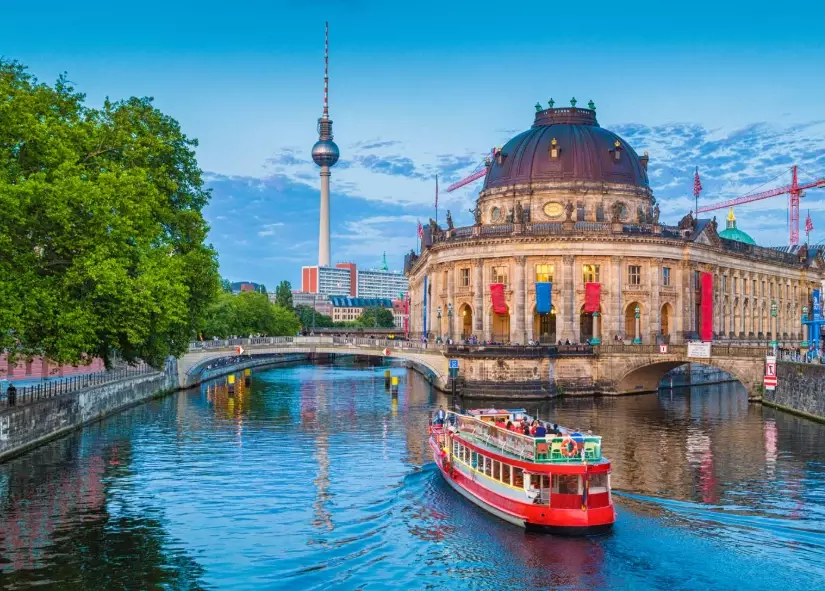
Health-wise, as of now, there are no COVID-19 restrictions like testing or vaccination requirements for entry into Germany from the US. But things can change, so always check the latest from the German Federal Foreign Office or the U.S. Department of State before you fly. I usually bookmark their travel advisory pages.
Visa and Passport Rules in Detail
Your passport should have at least two blank pages. If you're staying longer than 90 days, you'll need a visa, but that's rare for tourists. For most Americans, it's a breeze. Just make sure you have proof of onward travel and sufficient funds, though they rarely ask. I once had a friend who packed light but forgot to show his return ticket—it caused a hassle at immigration. Keep digital copies handy.
How to Plan Your Berlin Itinerary as an American
Berlin is huge, and trying to see everything in one go is a recipe for burnout. Focus on neighborhoods. I love Kreuzberg for its vibe, but Mitte is great for first-timers. Here's a breakdown to help you plan.
Top Attractions You Can't Miss
Start with the classics. The Brandenburg Gate is free and always open—address: Pariser Platz, 10117 Berlin. It's iconic, but go early to avoid crowds. The Berlin Wall Memorial at Bernauer Strasse 111, 13355 Berlin, is another must-see. Admission is free, and it's open Tuesday to Sunday, 10 AM to 6 PM. Don't just snap photos; read the stories—it hits differently.
For museums, the Pergamon Museum on Museumsinsel costs about €12, open daily 10 AM to 6 PM. Book online to skip lines. Personally, I think some museums in Berlin can feel overwhelming, so pick one or two that interest you most.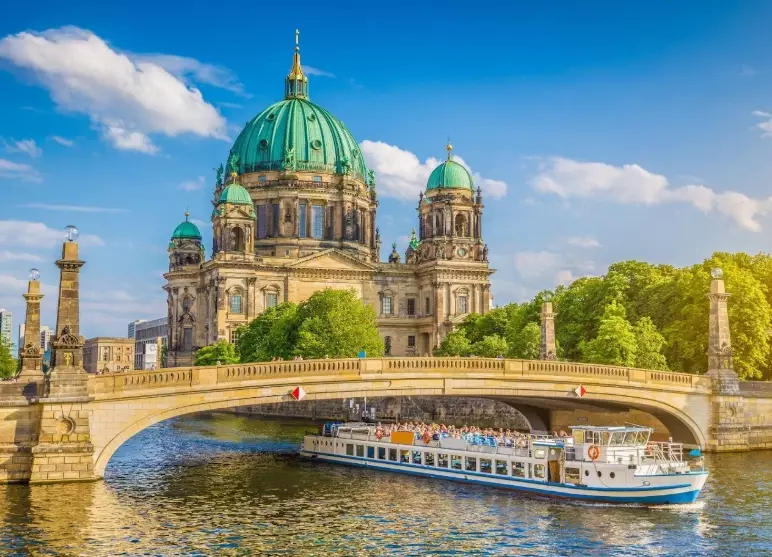
Where to Eat: Berlin Food Spots Americans Will Love
Berlin's food scene is underrated. Currywurst is a must-try. Head to Curry 36 at Mehringdamm 36, 10961 Berlin—it's open 9 AM to 5 AM, and a serving costs around €3-5. Cash only, so have euros ready. For something more upscale, try Katz Orange in Mitte, with dishes like slow-cooked beef for €25-30. Address: Bergstrasse 22, 10115 Berlin. Reservations are wise.
If you're craving American comfort food, Berlin has spots like Bird on Am Falkplatz 5, 10437 Berlin, serving burgers for €10-15. But why not go local? I stumbled upon a tiny Doner kebab shop in Neukölln—best meal I had, under €5.
Where to Stay: Accommodation for Every Budget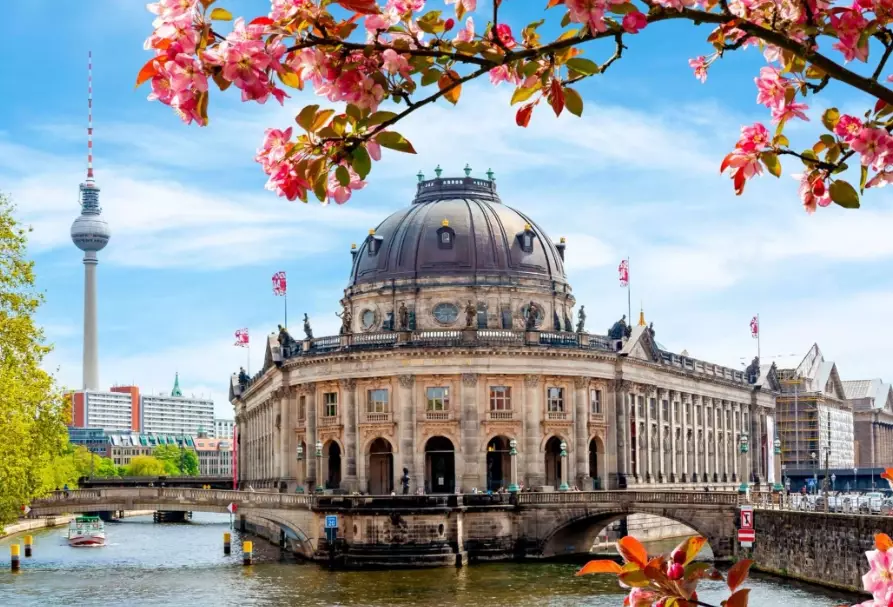
Berlin offers everything from hostels to luxury hotels. Here's a quick table to compare options:
| Hotel Name | Address | Price Range (per night) | Highlights |
|---|---|---|---|
| The Circus Hotel | Rosenthaler Str. 1, 10119 Berlin | €100-150 | Central location, free bike rentals |
| Meininger Hotel Berlin | Schönhauser Allee 19, 10439 Berlin | €60-100 | Budget-friendly, near public transport |
| Hotel Adlon Kempinski | Unter den Linden 77, 10117 Berlin | €300+ | Luxury, historic site |
I stayed at The Circus once—the staff gave insider tips that saved me hours. Book early, especially in summer.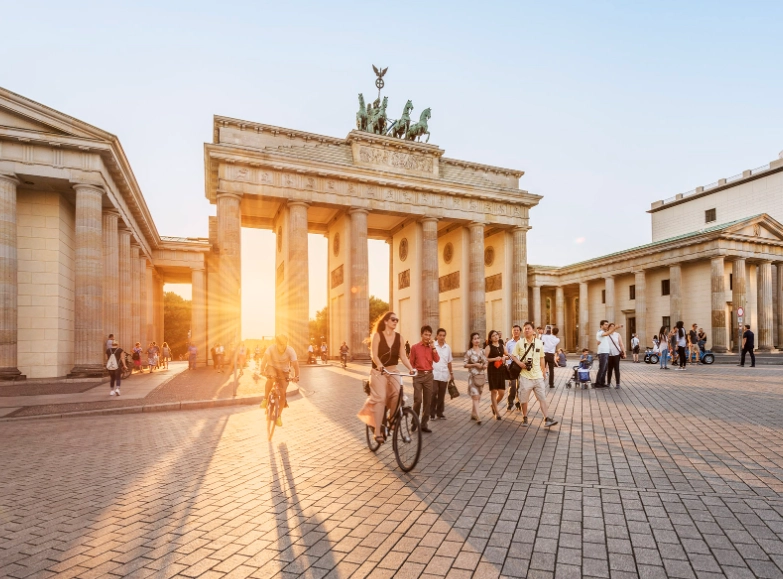
A Sample 3-Day Berlin Itinerary for Americans
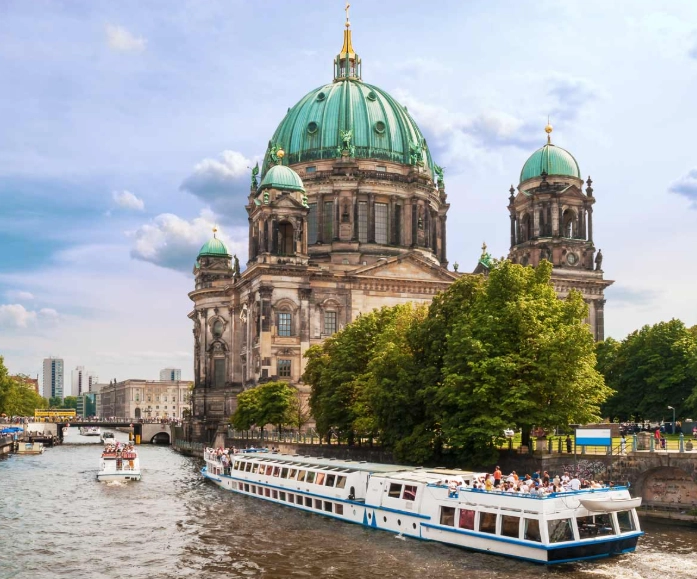
Day 1: Start at Brandenburg Gate, walk to Reichstag Building (book free dome visit in advance), then hit Museum Island. Lunch at a nearby cafe. Evening in Alexanderplatz for views from the TV Tower.
Day 2: Explore East Side Gallery, then head to Kreuzberg for street art and food. Dinner at Markthalle Neun if it's a Thursday street food day.
Day 3: Visit Charlottenburg Palace, then relax in Tiergarten. Wrap up with a beer at a local brewery like Brauhaus Lemke.
This is just a skeleton—adjust based on your pace. I always leave room for spontaneity; Berlin's best moments are often unplanned.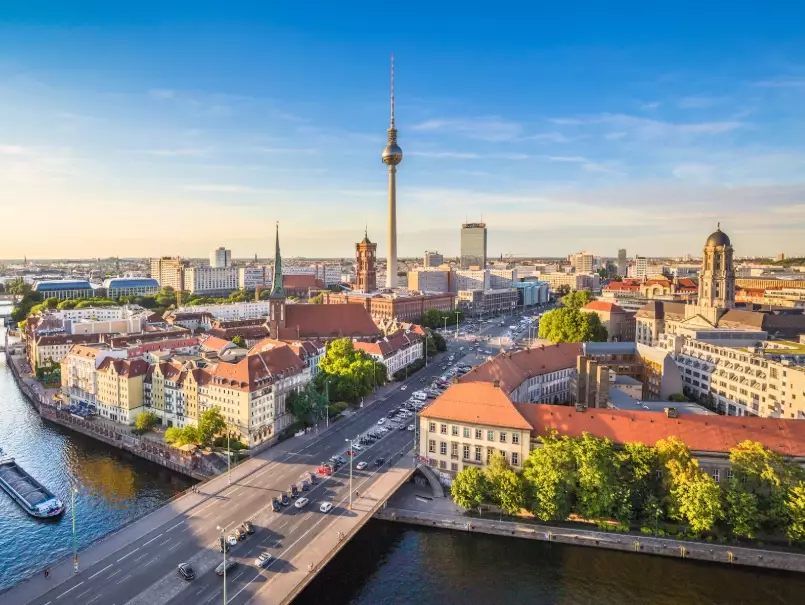
Practical Tips for American Tourists in Berlin
Berlin runs on cash more than you might expect. While cards are accepted in many places, smaller shops and street vendors prefer euros. Withdraw from ATMs (Geldautomat) for better rates than exchange offices. I learned this the hard way after overpaying for a souvenir.
Public transport is excellent. Get a Berlin Welcome Card for unlimited travel and discounts. It covers buses, trams, and U-Bahn. Download the BVG app for routes. Taxis are pricey, but rideshares like Uber work.
Language isn't a barrier—most Germans speak English, especially in Berlin. But learn a few phrases: "Danke" (thank you) goes a long way. Tipping is similar to the US, around 5-10% in restaurants.
Safety-wise, Berlin is generally safe, but watch for pickpockets in crowded areas like Alexanderplatz. Use common sense, like locking your hotel room.
Frequently Asked Questions
Berlin is a fantastic destination for Americans—rich in history, culture, and fun. Plan ahead, stay flexible, and you'll have a memorable trip. If you have more questions, drop a comment below; I'm happy to share more insights from my travels.