Let's cut to the chase. If you're a woman planning a trip to Germany, or perhaps considering moving there for work or study, the question of safety is probably at the top of your mind. The short, statistically-backed answer is: yes, Germany is generally a very safe country for women. It consistently ranks high on global peace and safety indexes. But that general answer often feels hollow when you're trying to decide if you can walk back to your hostel after dinner, or take the subway alone at night.
Having lived in Berlin for several years and traveled extensively across the country, I can tell you that safety isn't a binary yes/no. It's a spectrum of experiences, heavily influenced by where you are, what you're doing, and a bit of street smarts. This guide won't just repeat the official line. We'll look at the data, talk about the specific risks women face (which often don't show up in headline crime stats), and give you the practical, actionable advice you need to navigate Germany with confidence.
What You'll Find in This Guide
The Statistical Safety Overview: What the Numbers Say
According to the Numbeo Crime Index 2023, Germany has a low to moderate crime index, significantly safer than the United States or the United Kingdom. The Global Peace Index also places Germany firmly in the "high state of peace" category. Violent crime against random strangers, especially tourists, is relatively rare in most areas.
But here's the nuance most generic articles miss. These statistics primarily reflect reported crimes like assault, robbery, or theft. The day-to-day safety concerns for many women—unwanted attention, verbal harassment, being followed, or feeling uncomfortable in crowded spaces—are often underreported. They don't always make it into the police blotter, but they profoundly impact your sense of security. So while your risk of being physically attacked is low, your chance of experiencing some form of harassment or unease is a different conversation.
Specific Risks and Concerns for Women in Germany
To understand safety, you need to know what you're looking out for. Germany's safety profile for women is shaped by a few key factors.
Nightlife and Public Transport After Dark
Germany's public transport (U-Bahn, S-Bahn, trams) is excellent and generally safe, even at night. Stations and trains in major cities are well-lit and often have emergency call buttons. However, larger hubs like Berlin's Alexanderplatz or Frankfurt's Hauptbahnhof main station can attract a rougher crowd, including people struggling with homelessness or substance abuse, especially late at night. The risk here is less about violent crime and more about being approached, panhandled aggressively, or witnessing unsettling behavior.
My strategy? I use the "Bahn" apps (DB Navigator for trains, local apps like BVG for Berlin) to minimize wait time on platforms. I try to sit in the front carriages near the driver on late-night rides. And if a carriage feels off, I just get off at the next stop and switch.
Alcohol Culture and Festivals
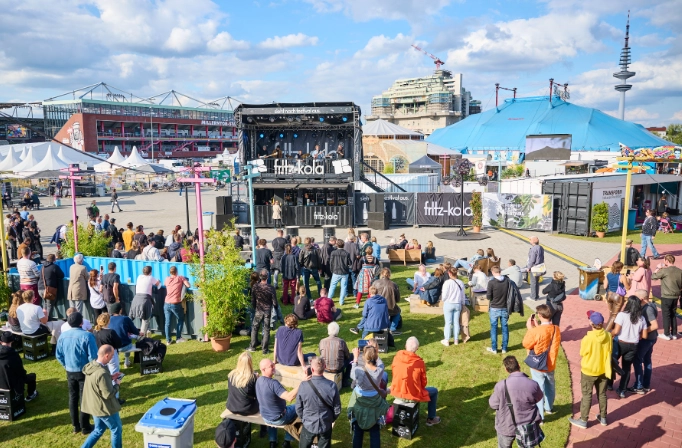
Germans enjoy their beer and wine, and public drinking is common and legal. During festivals like Oktoberfest in Munich or Karneval in Cologne, the atmosphere is boisterous and crowded. While these events are fantastic, the combination of crowds, alcohol, and a party atmosphere can lead to increased instances of groping, overly persistent advances, or just general rowdiness. It's a classic case of a generally safe environment where situational awareness needs to be dialed up.
Catcalling and Street Harassment
This is perhaps the most common negative experience reported by women. It's not ubiquitous, but it happens. It tends to be more frequent in certain urban neighborhoods and from specific demographics. The content is rarely threatening in a physical sense but is annoying and designed to make you feel uncomfortable. The German response? Often, a steely ignore-and-walk-away approach is most effective. Engaging usually prolongs the interaction.
Safety vs. Risk: A City-by-City Reality Check
Germany isn't a monolith. Safety can vary dramatically between a Bavarian village and a major metropolitan area. This table breaks down what you can typically expect.
| City/Area Type | General Safety Level | Specific Notes & Areas of Caution |
|---|---|---|
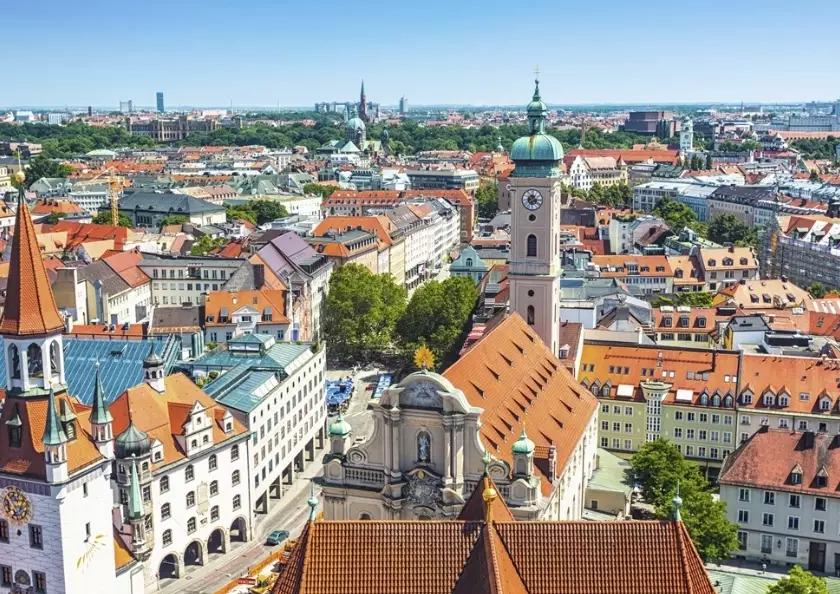
| Munich, Bavaria | Very High | Often cited as Germany's safest major city. Low crime, clean, orderly. Nighttime risks are minimal even in central areas like Marienplatz. |
| Small Towns & Villages | Very High | Extremely low crime. The primary concern here is isolation if you're walking alone on country roads at night—more a practical than a crime issue. |
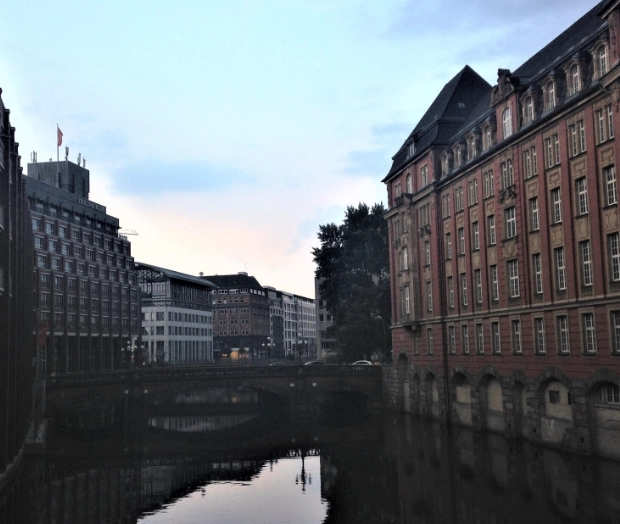
| Hamburg | High | A safe, wealthy city. The area around the Reeperbahn (the famous nightlife and red-light district) is safe but can be rowdy on weekends. Expect to see drunk tourists and more overt vice. |
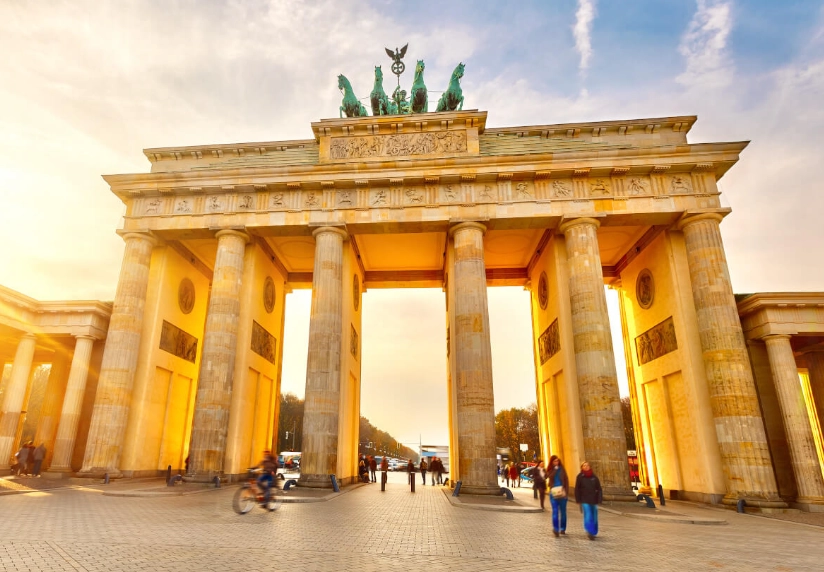
| Berlin | Moderate to High | Berlin's safety is highly neighborhood-dependent. Prenzlauer Berg, Charlottenburg? Very safe. Areas around Kottbusser Tor in Kreuzberg or parts of Neukölln at night? You'll want to be more alert. Petty theft (like phone snatching) is the most common crime. |
| Cologne / Frankfurt Main Stations | Moderate (Context-Dependent) | These major train stations (Hauptbahnhof) are transportation hubs but also magnets for drug-related activity. They are heavily policed and safe to transit through, but lingering alone late at night can feel uncomfortable. |
| Large Public Parks at Night | Low (Avoid) | This is a universal rule. Parks like Berlin's Tiergarten or Munich's Englischer Garten are beautiful by day but are not places for solitary nighttime walks, regardless of gender. |
The big takeaway? Germany's safety is predictable. The "rougher" areas are well-known and often centered around major train stations or specific city blocks. You're unlikely to accidentally wander into a dangerously unsafe neighborhood as you might in some other global cities.
Practical Safety Tips for Everyday Situations
Knowledge is power. Here’s how to apply this information to your daily life in Germany.
Accommodation is your safety base. When booking, read recent reviews from other solo female travelers. A hostel with 24/7 reception and keycard access is better than a budget Airbnb in a poorly lit courtyard building. In cities, staying in districts like Munich's Maxvorstadt, Berlin's Mitte (east of Alexanderplatz), or Hamburg's Eimsbüttel offers a great mix of location and ambient safety.
Master the public transport rhythm. Buy a weekly or monthly pass (U-Bahn ticket) to move seamlessly. After about 1 AM, night buses (Nachtbus) replace trains in many cities. Know your night bus route in advance. If a taxi is needed, use official apps like FREE NOW or hail a marked taxi at a stand—not unlicensed cars.
Social settings require a clear plan. The German drinking culture is social but can be potent. Keep an eye on your drink, always. If you're on a dating app meet-up, choose a public place for the first meeting—a café in a busy area like Berlin's Hackescher Markt is perfect. Trust your gut; if something feels off, you have every right to leave. A simple "Ich muss gehen" (I have to go) is a complete sentence.
Have your digital tools ready. Save the universal European emergency number 112 in your phone. For non-emergency police matters, the number is 110. It's also wise to have the contact for your country's embassy or consulate saved. Share your live location with a trusted friend if you're going on a first date or a long hike.
Dealing with harassment. A firm, loud "Lassen Sie mich in Ruhe!" (Leave me alone!) or "Nein!" can be effective. Don't worry about being polite. Move towards other people, a store, or a restaurant. If you're on transport, notify the driver via the intercom or move to a different carriage.
One subtle mistake I see newcomers make? They equate cleanliness and order with absolute safety. A neighborhood can look perfectly charming but have a higher rate of pickpocketing because it's touristy. Conversely, a graffitied area might feel edgy but be perfectly safe because it's full of families and artists. Judge by the people and activity you see, not just the aesthetics.
Your Top Safety Questions Answered
As a solo female traveler, can I safely walk around German cities at night?
In well-lit, central areas with other people around, yes, absolutely. I've walked home from dinners in central Munich and Hamburg countless times without a second thought. In Berlin or Cologne, I'd be more selective about the specific neighborhood and stick to main streets. The rule of thumb: if the streets are empty and dark, it's time for a taxi, regardless of the city.
How should I handle being approached or catcalled in Germany?
The most common and effective local tactic is complete, stone-faced ignorance (Ignorieren). Do not make eye contact, do not respond, and keep walking with purpose. Engaging, even to tell someone off, is often what the harasser wants. If they persist or block your path, raise your voice to draw public attention ("Hören Sie auf!" - Stop it!) and move towards the nearest open business or group of people.
Are there any specific scams targeting women travelers I should know about?
Not specifically gender-targeted, but be aware of general tourist scams. The most likely is the distracted "petition" signer who uses a clipboard to steal your wallet from your bag. Another is the "found gold ring" scam. The best defense is a firm "Nein, danke" (No, thank you) and not stopping to engage with strangers who approach you with overly friendly or urgent stories on the street.
Is it safe for a woman to hike alone in the German countryside or the Black Forest?
From a crime perspective, it's exceptionally safe. The risks are purely practical and environmental. Always tell someone your planned route and expected return time. Carry a charged phone, water, and a basic first aid kit. Stick to well-marked trails (Wanderwege). The main danger is slipping and injuring yourself where help might be slow to arrive, not encountering dangerous people.
If I need help, will people intervene if they see harassment happening?
This is a cultural mixed bag. Germans value privacy and non-confrontation, so you might not get a heroic Hollywood-style intervention. However, if you are clearly in distress and directly ask someone for help ("Können Sie mir helfen?" or "Rufen Sie die Polizei!"), they almost certainly will. The key is to be direct. Bystanders might assume you can handle it unless you signal otherwise.
So, is Germany a safe country for females? The evidence strongly points to yes. It's a country with robust rule of law, efficient infrastructure, and a society that, while sometimes reserved, is fundamentally orderly. Your experience will largely be what you make of it. Arm yourself with the knowledge of where and when to be cautious, trust your instincts, and embrace the incredible travel, study, or living opportunities Germany offers. The vast majority of women who come here have a fantastic, safe, and enriching time. You can too.