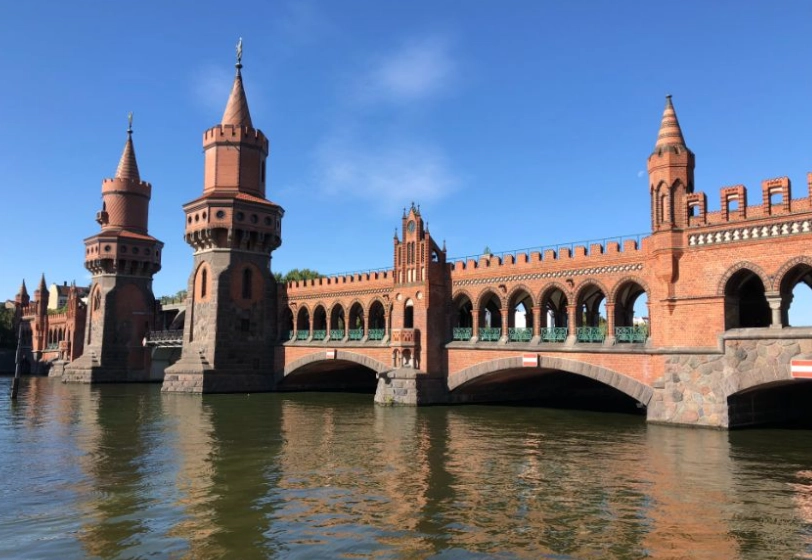
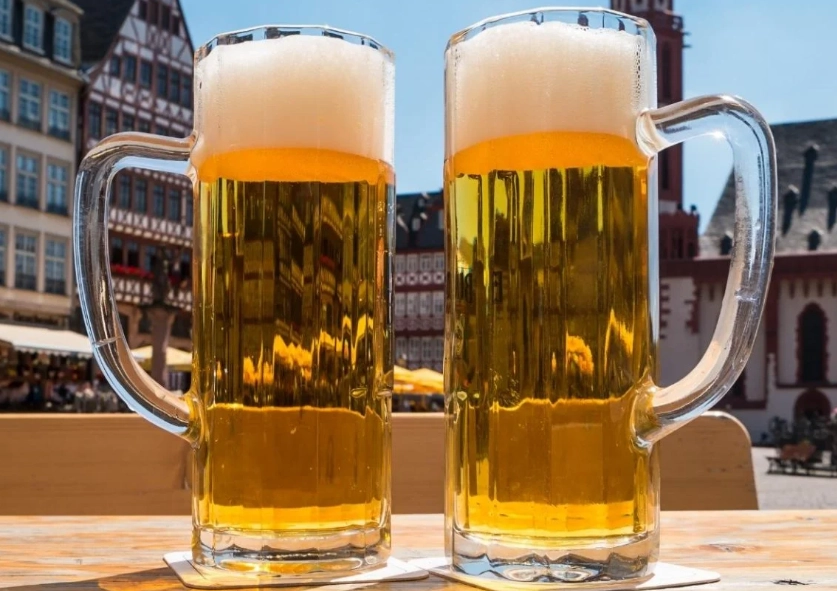
Let's cut to the chase. Is 10 days in Germany enough? The short, honest answer is: Yes, but with a big asterisk. It's enough to get a fantastic, memorable taste of the country—its cities, history, culture, and landscapes. It is not enough to see "all of Germany." Anyone who tells you otherwise is setting you up for a stressful, exhausting marathon. After more than a dozen trips there, I've found 10 days to be a kind of sweet spot. It forces you to make choices, which leads to a more focused and rewarding trip than trying to tick every box on a map.
The real question isn't about sufficiency; it's about strategy. Can you craft a 10-day Germany itinerary that feels rich, not rushed? Absolutely. The key is to abandon the checklist mentality and embrace a small, connected region or a clear theme. This guide will show you exactly how to do that, with a sample itinerary, concrete costs, transport hacks, and the kind of advice you only get from messing up a few times yourself.
Your 10-Day Germany Trip at a Glance
Why 10 Days is the "Sweet Spot" for Germany
Think of Germany as a sampler platter. You get a bit of everything. Ten days gives you the runway to explore two, maybe three major hubs in depth, with day trips woven in. You can experience the gritty, innovative energy of Berlin, the alpine charm and royal castles of Bavaria, and the vineyard-dotted romance of the Rhine Valley. That's a powerful combination.
The alternative—spending 2 days each in 5 different cities—is a trap. You'll spend more time on trains and checking in/out of hotels than you will actually seeing anything. Your memories will be a blur of train stations. Ten days provides the constraint that leads to creativity and deeper enjoyment.
How to Plan Your 10-Day Germany Trip: The Golden Rules
Before we look at a day-by-day plan, let's establish the non-negotiable principles for a successful 10-day visit.
Rule 1: Pick a Geographic "Cluster"
Germany's transport is excellent, but distances matter. Frankfurt to Berlin is a 4-hour train ride. Don't zig-zag. Cluster your destinations. Popular clusters include: Berlin & Potsdam (history, art), Munich & Bavarian Alps (castles, mountains), The Romantic Road (medieval towns), or The Rhine Valley & Cologne (river scenery, cathedrals). Our sample itinerary combines two clusters with one efficient travel link.
Rule 2: Overnight in Hubs, Day Trip Out
Constantly moving hotels is a time-suck. Pick 2-3 bases. From Berlin, you can day-trip to Potsdam. From Munich, you can reach Neuschwanstein, Salzburg (Austria), and Dachau. This saves you the hassle of lugging bags every other day.
Rule 3: Book Key Attractions in Advance
This is the single biggest rookie mistake. For major sights like Neuschwanstein Castle, the Reichstag Dome in Berlin, or a popular beer hall tour in Munich, tickets sell out weeks in advance, especially in summer. Booking online guarantees entry and saves you hours in line. The official Neuschwanstein Castle website and the Bundestag (Reichstag) website are your friends.
A Sample 10-Day Germany Itinerary: Berlin, Bavaria & The Rhine
Here's a balanced, tested route that mixes iconic cities, fairy-tale castles, and scenic beauty. It assumes you're flying into Berlin (BER) and out of Frankfurt (FRA), a common open-jaw ticket.
| Day | Base | Highlights & Activities | Overnight |
|---|---|---|---|
| 1-3 | Berlin | Arrival, Brandenburg Gate, Reichstag Dome, Holocaust Memorial, East Side Gallery, Museum Island (pick one!), local neighborhood exploration (Kreuzberg/Prenzlauer Berg). Day Trip (Day 3): Potsdam (Sanssouci Palace). | Berlin |
| 4-7 | Munich | Morning train to Munich (approx. 4 hours). Marienplatz, Viktualienmarkt, Hofbräuhaus (for the experience, not necessarily the best beer). Day Trip (Day 5): Neuschwanstein & Hohenschwangau Castles. Day Trip (Day 6): Dachau Memorial Site OR Salzburg, Austria. Day 7: Deutsches Museum or Nymphenburg Palace. | Munich |
| 8-10 | Rhine Valley / Frankfurt | Morning train to Frankfurt (approx. 3.5 hours), drop bags, immediate train to Rhine Valley (e.g., Rüdesheim or St. Goar). Afternoon Rhine River cruise, explore a castle ruin. Day 9: Explore Rhine towns, hike vineyards. Return to Frankfurt late. Day 10: Frankfurt's old town (Römer), departure. | Frankfurt (or Rhine town) |
Let's get specific about a few key days. In Berlin, don't just stare at the Brandenburg Gate. Walk through it towards the Tiergarten. Rent a bike—it's the best way to cover ground. For Museum Island, you can't do all five. The Pergamonmuseum (home to the Ishtar Gate) is currently partially closed for renovation. The Neues Museum with the bust of Nefertiti is a stunning alternative.
In Munich, skip the expensive, tourist-packed Hofbräuhaus for lunch. Go to the Augustiner-Keller (Arnulfstraße 52, 80335 Munich) for a more authentic beer garden feel, or to Andechser am Dom (Weinstrasse 7a) for great monastic beer right near the Frauenkirche. A beer and a pretzel will cost you around €12-15.
Budget Breakdown & Getting Around Germany
Internal Transport: Train vs. Car
For this itinerary, the train is king. German trains are fast, frequent, and connect city centers directly. Driving between Berlin, Munich, and Frankfurt is a slog on the autobahn and you'll pay for parking in cities.
Your best bet is the Deutschlandticket for regional trains (€49/month) for the Rhine Valley day trips, and advance-purchase Sparpreis tickets for the long-distance ICE rides (Berlin-Munich, Munich-Frankfurt). Book these on the Deutsche Bahn website as soon as you have dates—prices rise. A Berlin-Munich Sparpreis can be as low as €20 if booked early, or €70+ last minute.
Realistic Daily Budget (Per Person, Excluding Flights)
| Budget Style | Accommodation | Food & Drink | Attractions/Transport | Daily Total |
|---|---|---|---|---|
| Budget | Hostel dorm (€25-40) | Street food, supermarket meals (€15-25) | Public transport, few paid sights (€15-20) | €55-85 |
| Mid-Range | Private hotel/guesthouse room (€80-120) | Mix of casual restaurants & cafes (€30-45) | Key attraction entries, regional trains (€25-40) | €135-205 |
| Comfortable | 4-star hotel/central apartment (€130-200+) | Restaurant meals, nice drinks (€50-80+) | All desired entries, faster train tickets (€40-60+) | €220-340+ |
Remember, this is a guideline. You can splurge on a fancy dinner one night and eat a €5 currywurst the next.
3 Common Pitfalls to Avoid on a 10-Day Trip
- The "Just One More City" Trap: Adding Nuremberg or Hamburg because it's "on the way" will fracture your trip. Depth beats breadth every time.
- Underestimating Transit Times: Google Maps might say 4 hours Berlin to Munich. Add time for getting to the station, delays, and finding your hotel. A 4-hour journey effectively consumes half a day.
- Over-Scheduling Every Hour: Leave blank spaces. Some of my best German memories are from unplanned afternoons—getting lost in a Munich park, stumbling upon a tiny wine tavern in a Rhine village.
Your Germany Trip Questions Answered
So, back to the original question. Is 10 days in Germany enough? If you define "enough" as having a rich, varied, and deeply enjoyable introduction that will make you want to return, then the answer is a resounding yes. It demands focus and planning, but the reward is a trip filled with substance, not just snapshots. Ditch the fear of missing out, pick your cluster, book those key tickets, and get ready for a fantastic ten days.