Your Quick Guide
- What Are Your Options? The German Accommodation Landscape
- How to Choose: It's More Than Just Price and Location
- The Nitty-Gritty: Booking, Saving Money, and On-the-Ground Tips
- Special Considerations and Pro-Tips
- Answers to Common Questions (Stuff You Were Afraid to Ask)
- Wrapping It Up: Your Action Plan
Let's be honest. Figuring out where to stay in Germany can feel like a part-time job. You've got the classic postcard images of half-timbered houses, but then you hear about modern design hotels, rustic farm stays, and even castles you can sleep in. The sheer variety is amazing, but it's also a bit overwhelming. Is a hotel the best bet? What about a Ferienwohnung? And how do you even pronounce that?
I've spent months traveling across Germany, from the buzzing hubs of Berlin and Munich to the sleepy villages along the Romantic Road and the Baltic Sea coast. I've stayed in places that felt like a fairytale and a few that were, well, memorable for less perfect reasons. This guide is my attempt to save you the headache and help you navigate the world of German tourist accommodation like a pro.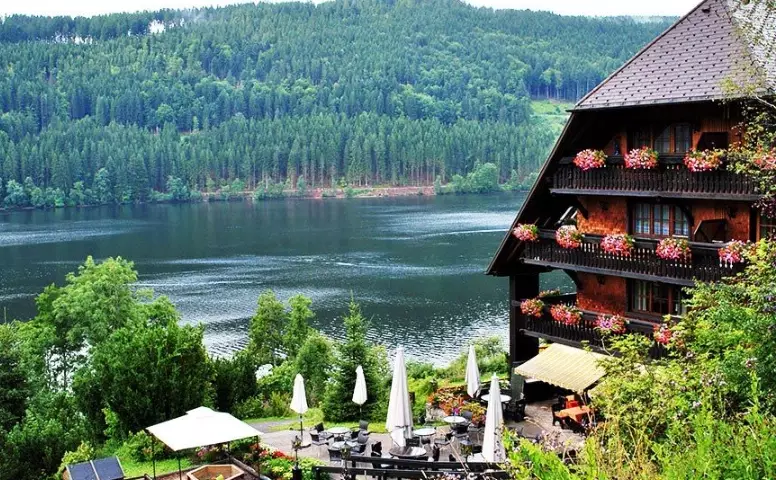
What Are Your Options? The German Accommodation Landscape
Germany doesn't do things by halves, and its lodging scene is proof. Forget the simple hotel-or-hostel binary. Here, your accommodation can define your entire experience. Let's break down what's actually available.
The Classics: Hotels, Pensions, and Gasthöfe
Hotels are the reliable standby. You know what you're getting: a private room, a private bathroom (almost always), daily cleaning, and often a breakfast buffet. German hotels range from international chains near train stations to family-run boutiques in historic buildings. The service is usually efficient and professional.
Then you have the Pension or Gasthof. This is where things get more... German. A Pension is typically a smaller, family-run guesthouse. Think cozy, personal, and often including a hearty breakfast. A Gasthof is similar but usually has its own restaurant serving local food – sometimes it's the best meal in town. I stayed in a Gasthof in the Black Forest where the owner's wife made the most incredible Schwarzwälder Kirschtorte (Black Forest gateau) I've ever had. The rooms were simple, but the experience was authentic.
The Local Favorite: Ferienwohnung (Holiday Apartment)
If you're staying more than a couple of nights or traveling with family or a group, a Ferienwohnung is often the golden ticket. It's a self-catering apartment, which means you get a kitchen, more space, and a lot of privacy. You can live like a local, buy groceries from the market, and make your own coffee in the morning.
They're everywhere – in cities, nestled in vineyards, or perched by lakes. Booking one gives you incredible flexibility and can be kinder to your wallet than multiple hotel rooms. The downside? No daily cleaning, and you have to handle your own trash and sometimes final cleaning fees. Always read the house rules.
Finding the right German tourist accommodation often means asking: do I want full service or home-like freedom?
For the Social and Budget-Conscious: Hostels & Guesthouses
German hostels have evolved. Yes, you can still find classic dorm-style rooms, but many now offer sleek private rooms with en-suite bathrooms that rival budget hotels. They're not just for backpackers anymore. The social atmosphere, common kitchens, and organized tours are a huge plus for solo travelers. Websites like Hostelworld are great for browsing options and reviews.
Independent guesthouses fill a similar niche, often with a quieter, more intimate vibe than a large hostel.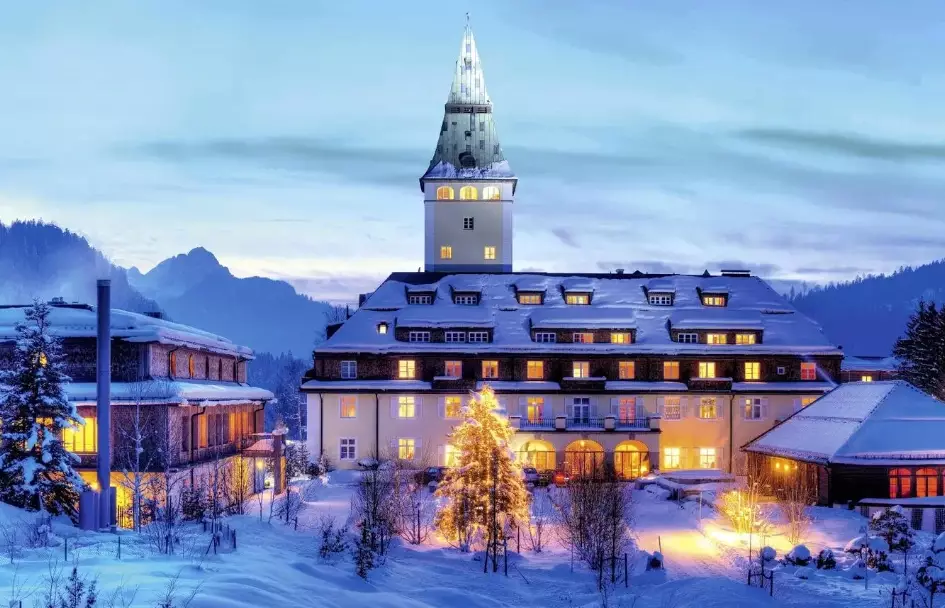
The Unique and Memorable Stays
This is where Germany shines. Want to sleep in a castle? You can. A converted water tower? Check. A timber-framed farmhouse in the Alps? Absolutely. Platforms like Booking.com have filters for "unique stays" that will blow your mind.
- Castle Hotels (Schlosshotel): Often expensive, but an unforgettable splurge. Don't expect all to be medieval dungeons; many are luxurious manor houses.
- Vineyard Inns (Weingut): Stay at a working winery in regions like the Mosel or Rhine Valley. Wine tasting included, obviously.
- Farm Stays (Urlaub auf dem Bauernhof): Incredible for families. Kids can see animals, and you get fresh, direct-from-the-farm produce. The German National Tourist Board has a dedicated portal for farm holidays which is a trustworthy resource.
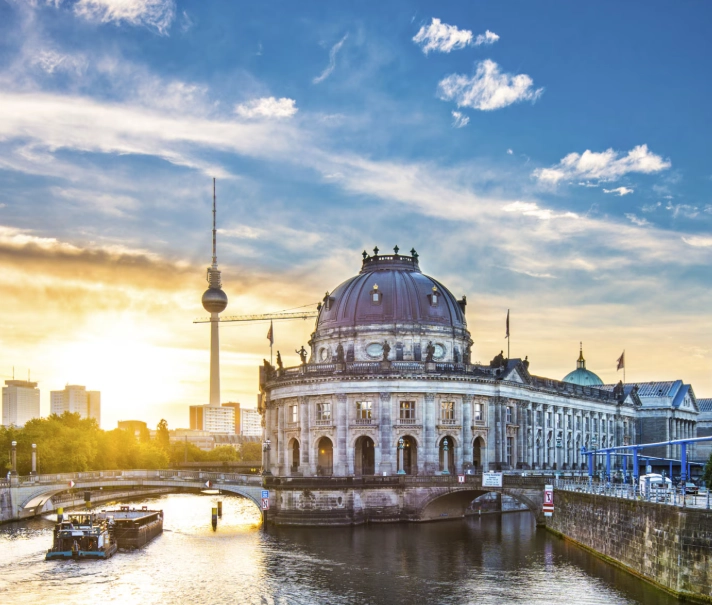
- Design Hotels: Particularly in cities like Berlin, Hamburg, or Cologne, you'll find hotels where the architecture and interior design are the main attraction.
How to Choose: It's More Than Just Price and Location
Okay, you know the types. Now, how do you pick? Throwing a dart at a map is one strategy, but let's be smarter. Your choice should hinge on a few key things beyond just the nightly rate.
First, consider your travel style. Are you a fast-paced city hopper, in and out? A convenient hotel near the Hauptbahnhof (main train station) might be perfect. On a relaxed, two-week road trip through Bavaria? A series of Ferienwohnungen or countryside Gasthöfe will give you space and local flavor.
Second, be brutally honest about location. "Central" can mean different things. A hotel might be central but on a noisy square above a bar. A quiet residential area a 15-minute tram ride from the center might offer better sleep and a more authentic feel. Use Google Maps street view to check out the neighborhood. Look for proximity to public transport links (U-Bahn, S-Bahn, tram stops) – this is crucial in German cities.
Third, dissect what's included. The German breakfast buffet is legendary (cheeses, cold cuts, bread, boiled eggs, muesli). If it's included, you can fuel up for a big day of sightseeing. Does the price include the Kurtaxe (tourist tax)? It's a small daily fee many towns charge, and sometimes it's added at checkout. Free WiFi is standard, but check reviews for speed. Parking? If you have a car, this is non-negotiable and can cost extra in cities.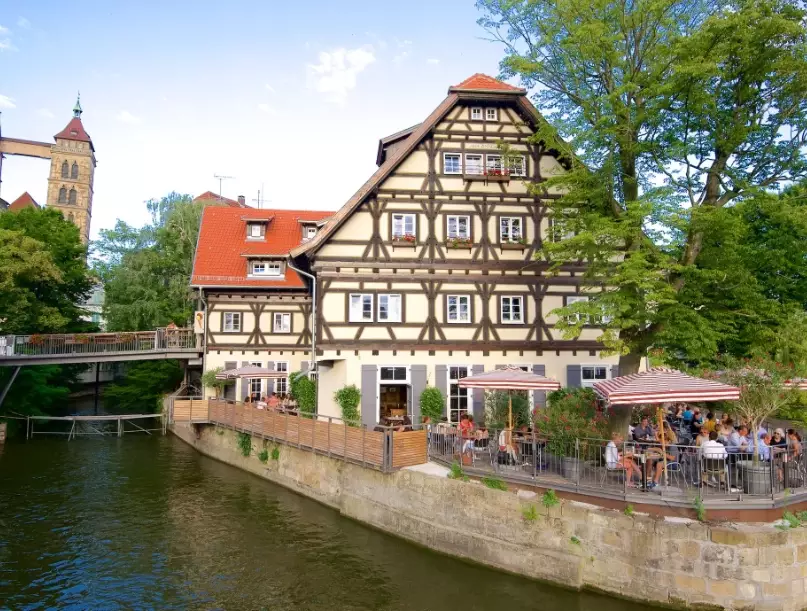
Here’s a quick comparison table to help you visualize the core options for German tourist accommodation:
| Type of Accommodation | Best For... | Typical Vibe & Amenities | Price Point (Relative) |
|---|---|---|---|
| City Hotel (Chain/Boutique) | Short city breaks, business travelers, convenience seekers. | Professional, efficient, central location, breakfast often extra. Modern amenities. | $$ - $$$$ |
| Pension / Gasthof | Travelers seeking authentic local character, smaller towns/villages. | Family-run, cozy, often includes breakfast. Gasthof has an attached restaurant. Can be historic. | $ - $$$ |
| Ferienwohnung (Holiday Apartment) | Families, groups, longer stays (3+ nights), self-caterers. | Home-like, private, full kitchen, more space. More responsibility (cleaning, trash). | $$ - $$$ (can be cost-effective per person) |
| Modern Hostel / Guesthouse | Solo travelers, budget travelers, social butterflies. | Lively, communal areas (kitchens, lounges), activities. Dorms & private rooms available. | $ - $$ |
| Unique Stay (Castle, Farm, Design) | Special occasions, immersive experiences, travelers prioritizing memory-making. | Unique, often scenic or historic location. Amenities vary widely. Can be rustic or luxurious. | $$$ - $$$$+ |
See? It's not just about the bed. It's about the experience you want around that bed.
The Nitty-Gritty: Booking, Saving Money, and On-the-Ground Tips
You've narrowed it down. Now for the practicalities. How do you actually book, pay, and not get caught out?
Where and How to Book
Major platforms like Booking.com, Airbnb, and Expedia are ubiquitous and work well. They offer reviews, filters, and secure payment. For Ferienwohnungen, also check regional or local websites. Sometimes the owner lists directly there with slightly lower prices.
For last-minute trips, the big apps are your friend. But for peak season (summer, Christmas markets), book months in advance, especially for popular or unique German tourist accommodation.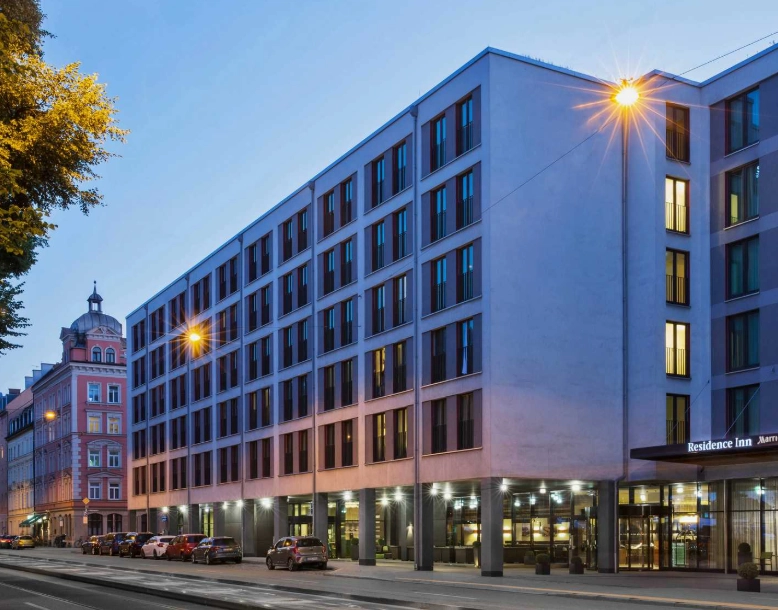
Decoding the Price and Saving Euros
The listed price is rarely the final price. Here's what to watch for:
- Tourist Tax (Kurtaxe/Bettensteuer): A small daily per-person fee (usually €1-€5) many cities and resorts charge. It funds local tourism infrastructure. It's almost always added on top and paid at the property.
- City Tax: Similar concept, common in major cities.
- Final Cleaning Fee: Standard for Ferienwohnungen and many vacation rentals. It's a one-time fee, so it hurts less on a longer stay.
- Breakfast: Is it included (inklusive) or extra (zzgl./extra)? Calculate if it's worth it for your group.
To save money, be flexible. Traveling in shoulder seasons (April-May, September-October) offers better prices and fewer crowds. Consider staying just outside the main tourist zone with good transit links. And seriously, consider if you need a car in a big city – parking fees can eat your accommodation savings.
Special Considerations and Pro-Tips
Some things you only learn through experience (or by reading guides like this).
Sustainability: Germans are eco-conscious. Many accommodations now have a "Green Key" or similar certification. You might see requests to reuse towels, separate trash meticulously (recycling is serious business), and conserve energy. It's not them being cheap; it's a cultural norm.
Check-in Times: They can be early (like 2 PM), but more importantly, they can be inflexible, especially at smaller Pensions or Ferienwohnungen. The owner might live off-site. If you're arriving late, communicate clearly in advance. Many places offer key lockboxes for late arrivals, which is super convenient.
The Pfand (Deposit) System: For some self-catering apartments, you might pay a small refundable deposit against damage, either in cash on arrival or as a pre-authorization on your card. It's normal.
Quiet Hours (Nachtruhe): Typically from 10 PM to 6 or 7 AM, and all day on Sundays. This is respected. Don't plan on loud conversations in your hotel hallway or balcony late at night.
A final piece of advice? Manage your expectations around size.
German rooms, especially in historic buildings in cities, can be compact by some international standards. The focus is on efficiency and quality over sprawling square footage. That cozy timbered room might be small, but the craftsmanship and cleanliness will be top-notch.
Answers to Common Questions (Stuff You Were Afraid to Ask)
Do I need to speak German to check in?
What's the deal with tipping at hotels?
Are there any areas I should avoid staying in?
Is it easy to find family-friendly accommodation?
What about accessibility?
Wrapping It Up: Your Action Plan
Choosing your German tourist accommodation doesn't have to be a stress-fest. It can actually be fun, the first step in building your trip.
Start by defining your trip's rhythm. Are you packing in cities or meandering through the countryside? Match your lodging to that pace.
Embrace the variety. Maybe mix it up: a design hotel in Berlin, a Ferienwohnung in the Mosel Valley, and a Gasthof in the Alps. That variety will give you a richer, more rounded experience of Germany.
Use the tools – booking platforms, Google Maps, official tourism sites like Germany Travel – but don't be afraid to look beyond them for direct bookings.
Read between the lines of listings. "Historic charm" = possibly no elevator. "Central location" = potentially noisy. "Self-catering" = you're doing the dishes.
And finally, book with confidence.
The standards for cleanliness, safety, and reliability in German tourist accommodation are high. Whether you end up in a minimalist pod hotel or a four-poster bed in a castle tower, you're in for a well-organized, comfortable stay that will let you focus on what really matters: enjoying every second of your German adventure.
Now go find your perfect German home away from home.